
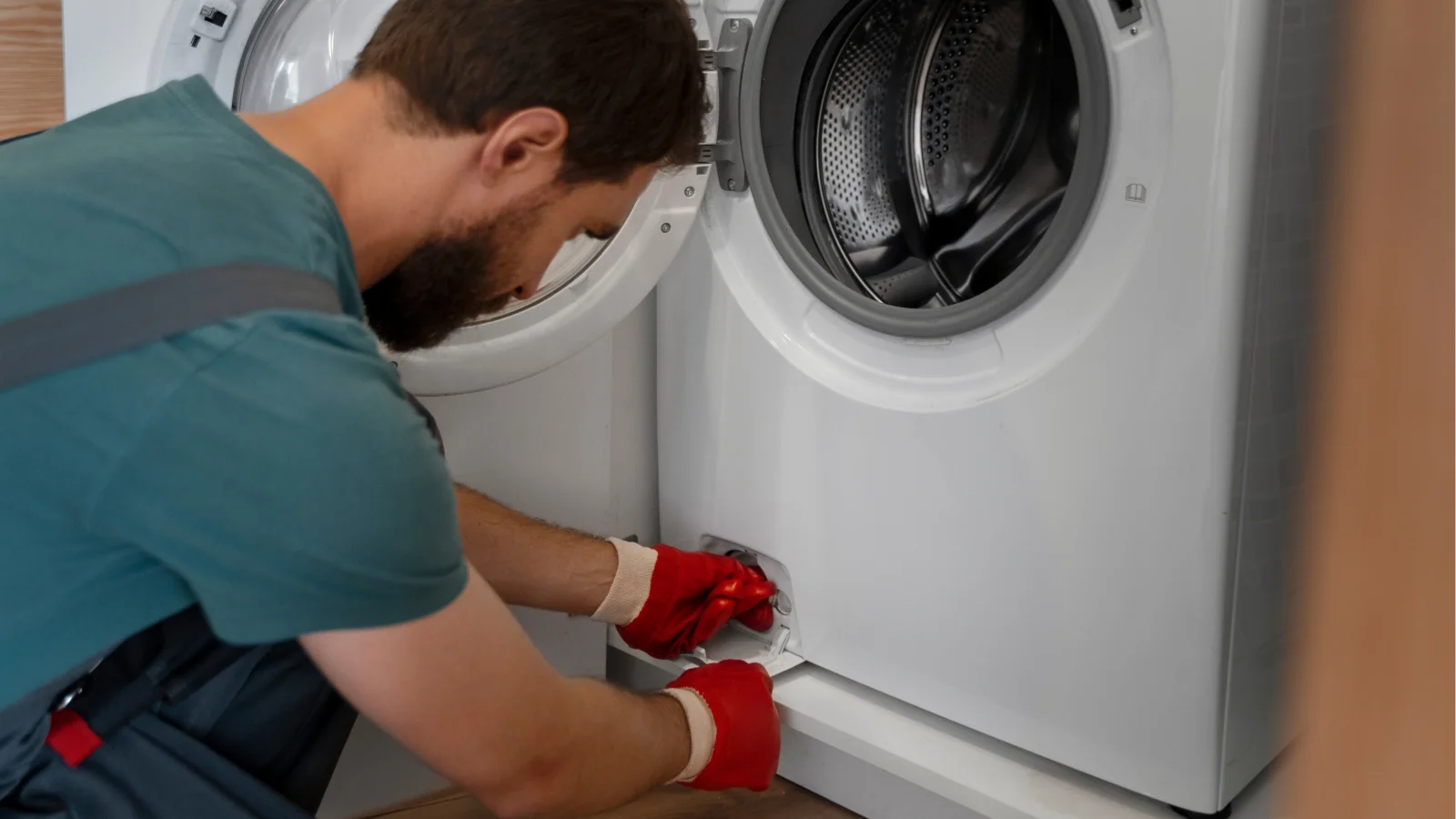
A washing machine is one of the hardest-working appliances in any home. It keeps clothes clean, saves time, and simplifies life. But when it breaks, laundry piles up quickly. Many homeowners panic, thinking replacement is the only option. The truth is, learning how to fix a washing machine can save both time and money.
Washing machine problems are often less complicated than they seem. Many issues, like clogged hoses or power faults, have simple fixes. By learning the most common causes and solutions, you can restore performance, prevent breakdowns, and avoid unnecessary costs. And when problems get complex, you’ll know when to call a professional repair service.
Safety First: Precautions Before Repairs
Before starting any repair, remember that washing machines combine water, electricity, and moving parts—making safety essential. Always unplug the appliance before opening panels, and turn off the water supply valves to prevent flooding. Wear gloves to protect your hands, and keep the work area dry. If repairs involve electrical boards or motors, contact a professional technician.
Troubleshooting Washing Machine Problems
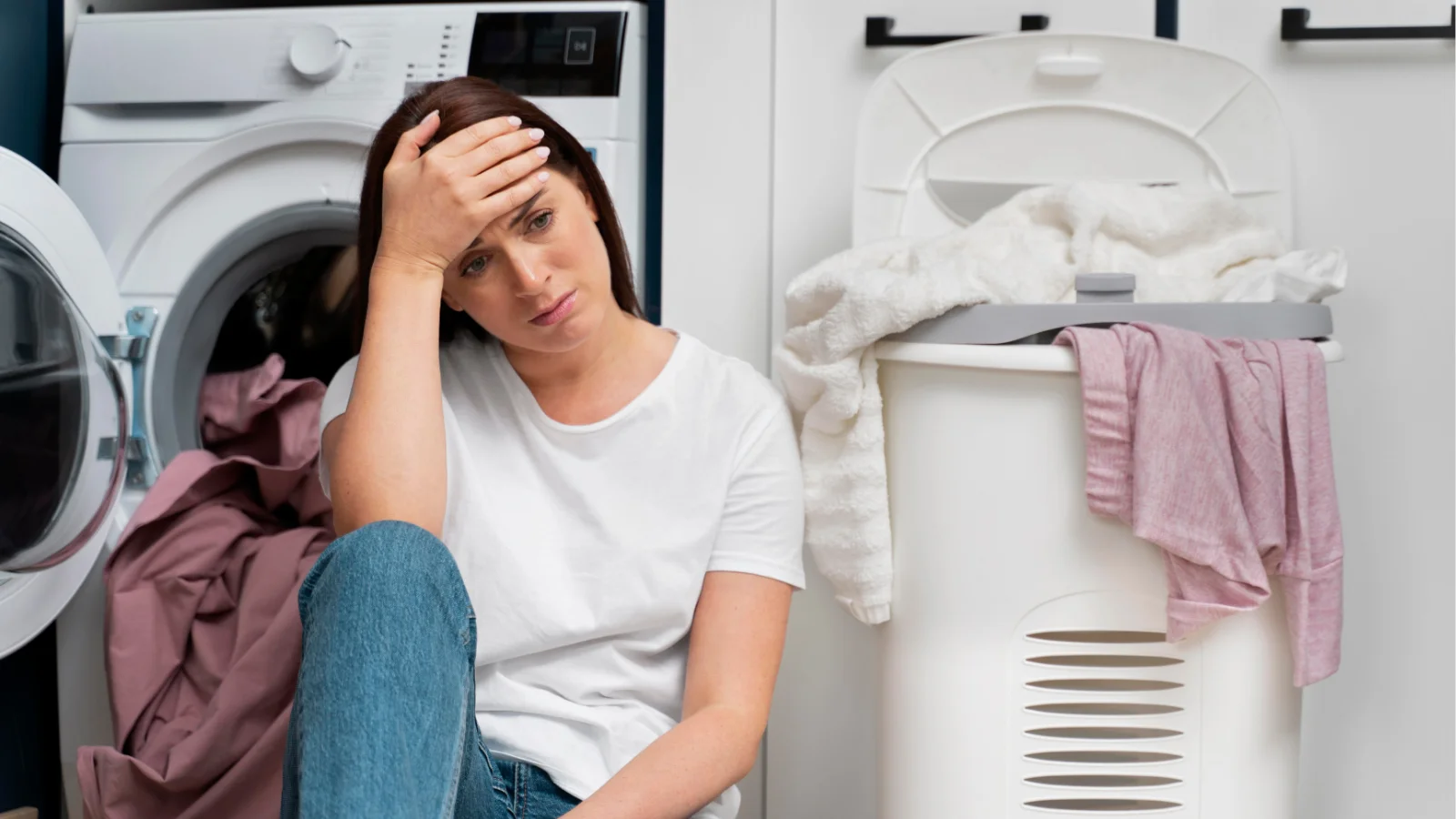
Washer Won’t Start
When a washer won’t start, the cause may be simple. First, check the power cord and ensure it is plugged in securely. Next, inspect the circuit breaker panel and reset any tripped breakers. If the lid switch doesn’t click when pressed, it may be broken. In rare cases, a control board failure requires professional service.
Washer Won’t Drain
A washer that won’t drain often leaves standing water inside the drum. This issue is commonly caused by a clogged drain hose or a blocked pump filter. Unplug the machine and detach the hose to flush out debris. Remove and clean the filter at the bottom panel. If the drain pump hums but fails to move water, it likely needs replacement.
Washer Won’t Spin
If your washer fills but doesn’t spin, clothes stay soaking wet. The problem may be due to an unbalanced load, a worn drive belt, or a broken lid switch. Stop the cycle and redistribute clothing evenly. Inspect the drive belt behind the machine for wear or looseness. If the motor runs but no spinning occurs, professional repair is required.
Washer Makes Loud Noises or Vibrates
A noisy washing machine can be alarming, but it usually points to mechanical issues. Common causes include uneven flooring, loose drum parts, or worn shock absorbers. Begin by checking if the washer sits level and adjusting its feet. Look inside the drum for loose coins or objects. Grinding or rumbling noises often indicate bad bearings that require replacement.
Washer Leaks Water
Leaks are serious because they damage floors and walls. The most frequent cause is loose or cracked hoses at the back of the washer. Tighten or replace them as needed. Inspect the rubber door gasket for tears or mold buildup. If water pools underneath during cycles, the pump may be leaking. Severe leaks from the tub often require replacement.
Washer Smells Bad
A smelly washer is unpleasant and spreads odors to clothes. The main culprits are mold and detergent residue inside the drum and gasket. Run a hot cycle with vinegar or a washing machine cleaner to kill bacteria. Wipe the rubber seal carefully, as mold often hides in crevices. Keep the door slightly open after use to prevent moisture buildup.
Washer Not Filling With Water
When the washer starts but no water enters, check the supply first. Ensure both hot and cold water valves are open. Inspect the hoses for blockages and clean the inlet screens at the back. If water pressure is fine but the drum remains empty, the water inlet valve may be defective. Replacing this part usually solves the issue.
Washer Leaves Clothes Dirty
If your laundry comes out still dirty, the washer isn’t performing correctly. Overloading is the most common mistake, as clothes need space to tumble. Using too little detergent also reduces cleaning power. Clean the washer filter to restore water flow, and check if the agitator moves properly. If the agitator is broken, replacement ensures better washing performance.
This is another example where knowing how to fix a washing machine step by step can prevent unnecessary replacements and keep your laundry routine smooth.

Washing Machine Preventive Maintenance Checklist
Regular maintenance prevents most washer problems and extends lifespan. Follow these simple tasks:
| Frequency | Tasks |
| Monthly | – Clean the lint filter
– Run an empty hot cycle with vinegar or cleaner – Wipe the door gasket to prevent mold |
| Seasonal (every 3–6 months) | – Inspect hoses for cracks or leaks
– Check the machine level to avoid vibration – Clean detergent drawer and dispenser |
| Yearly | – Schedule a professional inspection if usage is heavy
– Replace hoses older than five years – Deep clean the drum and interior components |
DIY Fix or Expert Help? Knowing the Difference
Not every washing machine issue should be handled at home. DIY fixes are generally safe for hoses, filters, balancing loads, and basic cleaning. However, electrical issues, motor problems, cracked tubs, or control board failures demand professional expertise. Attempting these repairs without training can be dangerous and costly. Knowing your limits ensures both safety and long-term appliance reliability.
Conclusion
Learning how to fix a washing machine gives homeowners confidence and saves money. From clogged hoses to unbalanced loads, many common issues are easy to resolve. But if you smell burning, see water flooding, or face electrical problems, don’t risk it. Call an Appliance Repair Service in Florida at (813) 412-8286 for safe and reliable help.
FAQs About Washing Machine Repairs
1. Why won’t my washing machine start even though it has power?
It may be due to a faulty lid switch, tripped breaker, or control board issue. Check the outlet, reset breakers, and test the lid switch. If these steps don’t work, professional service is needed.
2. How often should I clean my washing machine filter?
Most manufacturers recommend cleaning the filter monthly. A clogged filter restricts water flow and causes drainage problems. Regular cleaning keeps your washer running efficiently and prevents odors.
3. Is it safe to fix a washing machine motor myself?
No. Motors involve complex electrical work and moving parts. Attempting motor repairs without training is unsafe. Always hire a certified technician for motor, control board, or drum-related repairs.
4. What is the best way to learn how to fix a washing machine at home?
Start with safe troubleshooting like checking hoses, balancing loads, and cleaning filters. Use manufacturer manuals for guidance. For advanced repairs like motors or electronics, contact professionals to avoid accidents.