
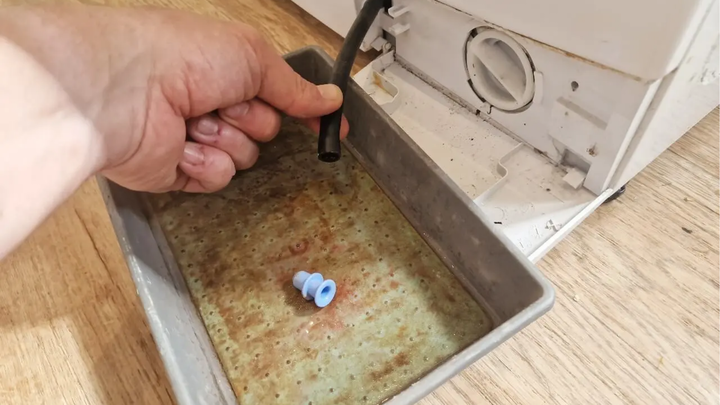
Why Isn’t My Washer Draining? Here’s How to Fix It and Restore Functionality
It is frustrating to have a washing machine that is not emptying correctly. It is important to consider the problems as soon as possible to prevent additional damage, regardless of whether the sitting water or soaked clothes are soaked.
In this article, we are going to discuss the most typical reasons why your washer will not drain, how to diagnose the issue, and when you should enlist the opinions of a professional.
Why Is Your Washer Struggling to Drain?
The issue is “Why isn’t my washer draining?” One of the homeowners is dealing with. An ineffective washing machine will cause standing water at the bottom of the drum, and this is an undesirable condition when one is doing laundry.
Besides resulting in time wastage, an ineffective washer that fails to drain can also develop molds, unpleasant smells, and even damage your clothes. This is normally caused by a clogged drainage system or failed parts. The first step to solving the problem is to learn the underlying cause of the problem.
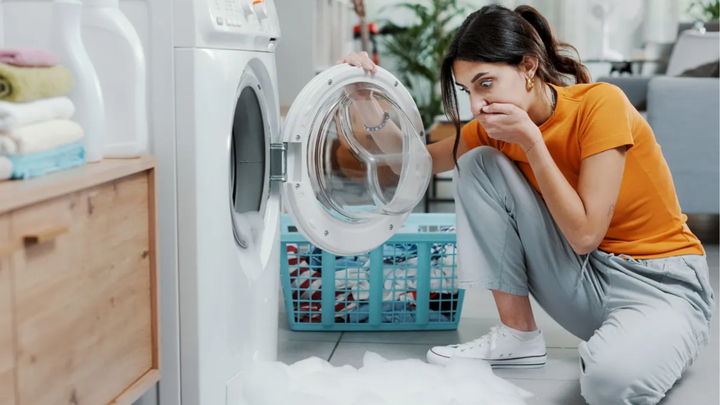
Common Culprits Behind Washer Drainage Problems
Several factors can prevent your washing machine from draining as it should. Here are some of the most common causes:
- Clogged Drain Pump Filter: The drain pump filter is considered to be one of the worst culprits of the drainage problems. The filter can block the water from lint, coins, and other debris that can be deposited there over time. This mainly happens when you are washing items such as pockets, which usually harbor small things.
- Blocked or Kinked Drain Hose: When your washing machine is not draining or spinning, it may be because of a clogged or kinked drain hose. The obstruction of the hose may block the flow of water. Make sure that the hose is not blocked with any objects and is not bent or knifed, as this may hinder the flow of water.
- Broken Drain Pump: In case the drain pump is faulty or broken, it might not be able to remove water from the washer. When trying to drain the machine, you might hear a humming or buzzing sound, which means that the pump is not working properly.
- Unbalanced Load: The washing machine that does not have a balanced load can fail to rotate and drain properly. When you overload your washer, you may destroy its internal balance and not allow it to drain the water.
- Faulty Control Board or Timer: Sometimes, a malfunction in a control board or a timer will lead to drainage problems. The electrical parts of the machine might not be able to drain the washer in case they are not operating correctly.
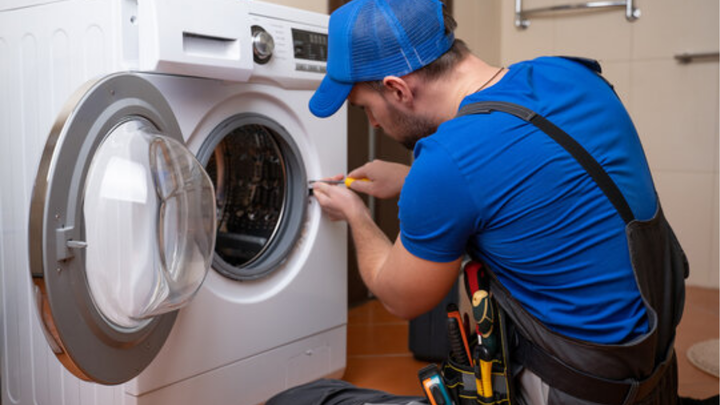
Step-by-Step Troubleshooting: Solving Washer Drainage Issues
In questioning yourself, “How do you fix a washer that won’t drain?” Here is a step-by-step procedure that will help you trace the problem:
Step 1: Cut Power and Inspect the Filter
Always begin by using a washer by switching off the washing machine and unplugging it. Turn on the filter panel and take out any debris, lint, or coins that might be blocking the drainage system. When the filter is clogged, it might not drain off properly, and you will probably see standing water in the washer.
Step 2: Check the Drain Hose
Check the drain hose with regard to any kinking, blockage, or bending. Ensure that it is properly arranged so that the water can be free to pass out of the washer. If you find any blockages, carefully clear them, as a clogged hose is often the reason why your washer isn’t draining properly.
Step 3: Run a Drain Cycle
Once the filter and hose have been checked, go through a brief drain cycle to determine whether the problem has been fixed. This will assist you in knowing whether the drainage issue has been resolved. Assuming that the washer is not draining yet, the issue may be more with the pump or motor.
Step 4: Check the Pump for Obstructions
The drain pump can be obstructed or broken inside the washer in case it continues to fail to drain. Search in the pump area, and locate any objects that might have become entangled in the pump, like small pieces of clothing or debris. This problem sometimes fails to washer not draining in a manner of intended manner, and you might hear a peculiar sound as the pump attempts to operate.
Step 5: Reset the Washer
Sometimes, a simple reset can resolve drainage issues. Turn the machine off, wait for 30 seconds, and then turn it back on to see if it begins draining properly. If standing water persists, it might indicate a more serious issue with the internal parts of the washer, such as the motor or control board.
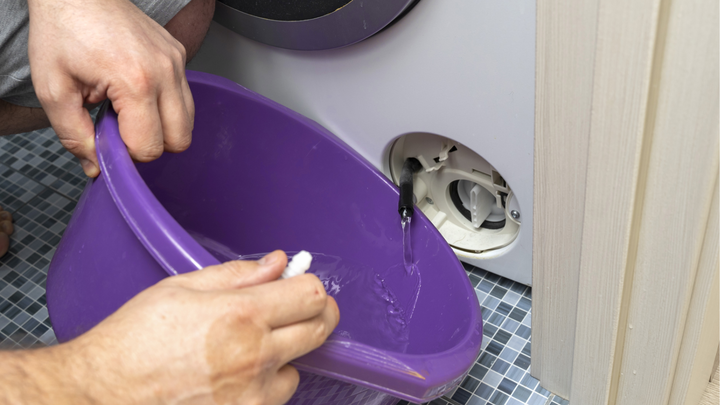
How to Safely Drain Water From Your Washing Machine
- If there’s standing water in your washer and you need to drain it manually, begin by gathering towels or a bucket to catch any water that may spill out.
- Ensure the area around the washer is dry and safe to work in before proceeding.
- For a top-load washing machine that’s not draining, you can tilt the machine to manually remove the water or use a wet/dry vacuum to suction out the excess water.
- If you have a front-load washing machine, the process is similar but might require a different approach due to the drain pump’s location.
- In both automatic washing machines not draining and top-load washing machines not draining, removing the filter can help release any trapped water, allowing it to drain out.
What to Do When Your Washer Isn’t Spinning or Draining
At times when your washer is not draining or spinning, it might be as a result of unbalanced washing, a broken drive belt, or a failing motor. Be sure that the wash washer has a balanced load inside it. Possible issues when spinning and draining in the washer can be caused by overloading and uneven distribution of clothes.
Then, examine the drive belt and check whether it is worn out or ripped. The washer will not be able to spin and drain water with a damaged belt attached. In case the belt does not look damaged, but the problem still occurs, the motor could be faulty. When this happens, a professional technician must either repair or replace the motor.
Diagnosing Complex Drainage Problems: When to Seek Help
Although DIY troubleshooting is beneficial, there are troubles that need professional skills. When through eliminated some of the simplest and easiest to resolve reasons, such as a clogged hose or filter, and yet your washer fails to drain, then you ought to call a professional. Severe drainage issues may suggest any underlying mechanical or electrical problems that may require the attention of a technician.
Examples of common complex problems are a broken control board, electrical problems, or a faulty pump or motor. Professional diagnostics and repair are needed for these issues. One of the skilled technicians can fix the problem correctly, and you will not have to lose its functionality because your washer will be repaired.
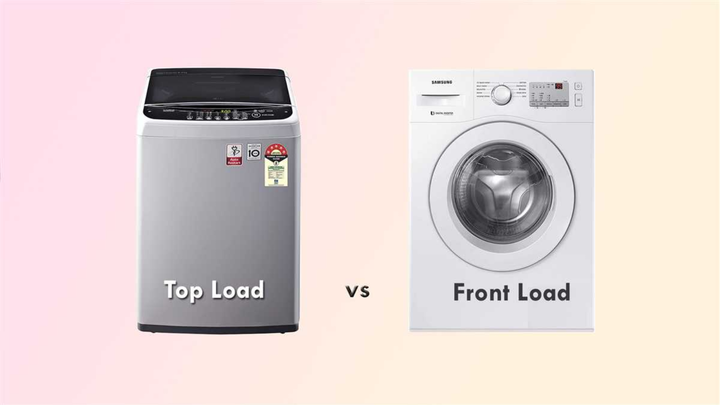
Top Load vs. Front Load Washers: Drainage Differences
| Feature | Top Load Washers | Front Load Washers |
| Drain Pump & Hose | More accessible, making it easier to address blockages or clogs. | Often harder to access, making it trickier to clear blockages. |
| Filter Accessibility | Easier to reach and clean, preventing common drainage issues. | Smaller filter, harder to access, requires more effort to maintain. |
| Maintenance | Quicker and simpler maintenance due to accessible components. | Requires more effort to maintain due to harder-to-reach components. |
| Drainage Process | Generally more straightforward with fewer obstacles to flow. | More complex, often requiring careful inspection of hoses and filters. |
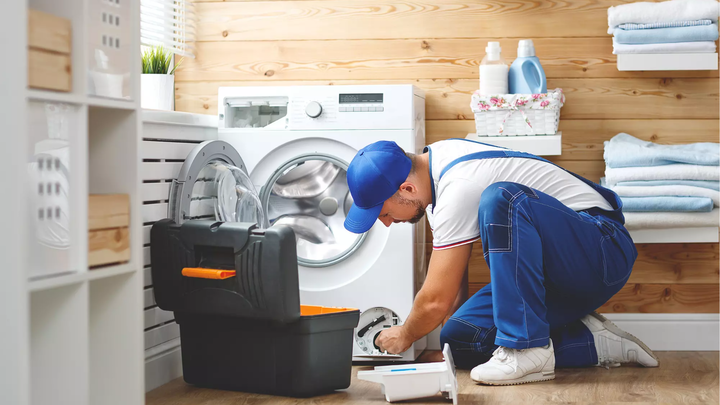
Why Professional Washer Repair Services Are a Smart Choice
When your washer continuously drains slowly and a simple troubleshooting has not helped, then you need to seek the assistance of a professional. Having a qualified technician, he/she can easily spot the issue’s root and thus the accurate diagnosis will come as time will be saved in not using DIY solutions that are not effective.
The professional repair services are also accompanied by the required tools, expertise, and experience to correct the complex problems efficiently. Another technician is able to fix such issues as a malfunctioning pump, motor, or control board, and put your washer back online once again to avoid additional breakage. Professional hiring will guarantee a long-term resolution, which would save you long-term time and money.
Conclusion
Finally, why isn’t my washer draining? is another frequent query that can be easily addressed through a little bit of troubleshooting. Nevertheless, professional assistance is needed in certain instances. No matter what is causing your washer is not drain, such as a clogged filter, broken pump, or electrical problem.
You should take action on the problem immediately to avoid any additional damage. In case you have attempted troubleshooting and the issue is not resolved, by no means should you hold back and consider hiring professional repair services.
Frequently Asked Questions
Why isn’t my washer draining properly?
“Why isn’t my washer draining?” could be caused by clogged filters, blocked hoses, a faulty drain pump, or an unbalanced load.
How can I fix a washer that’s not draining?
To fix “why isn’t my washer draining?”, check the filter, inspect the hose, run a drain cycle, or seek professional help for pump or motor issues.
Can a clogged filter cause my washer to not drain?
Yes, a clogged filter is a common reason for “washer not draining”. Lint, coins, and debris can block the flow, causing standing water.
When should I call a professional for washer drainage issues?
Call a professional when “your washer isn’t draining” after troubleshooting or if there are pump failures, electrical issues, or broken control boards.