
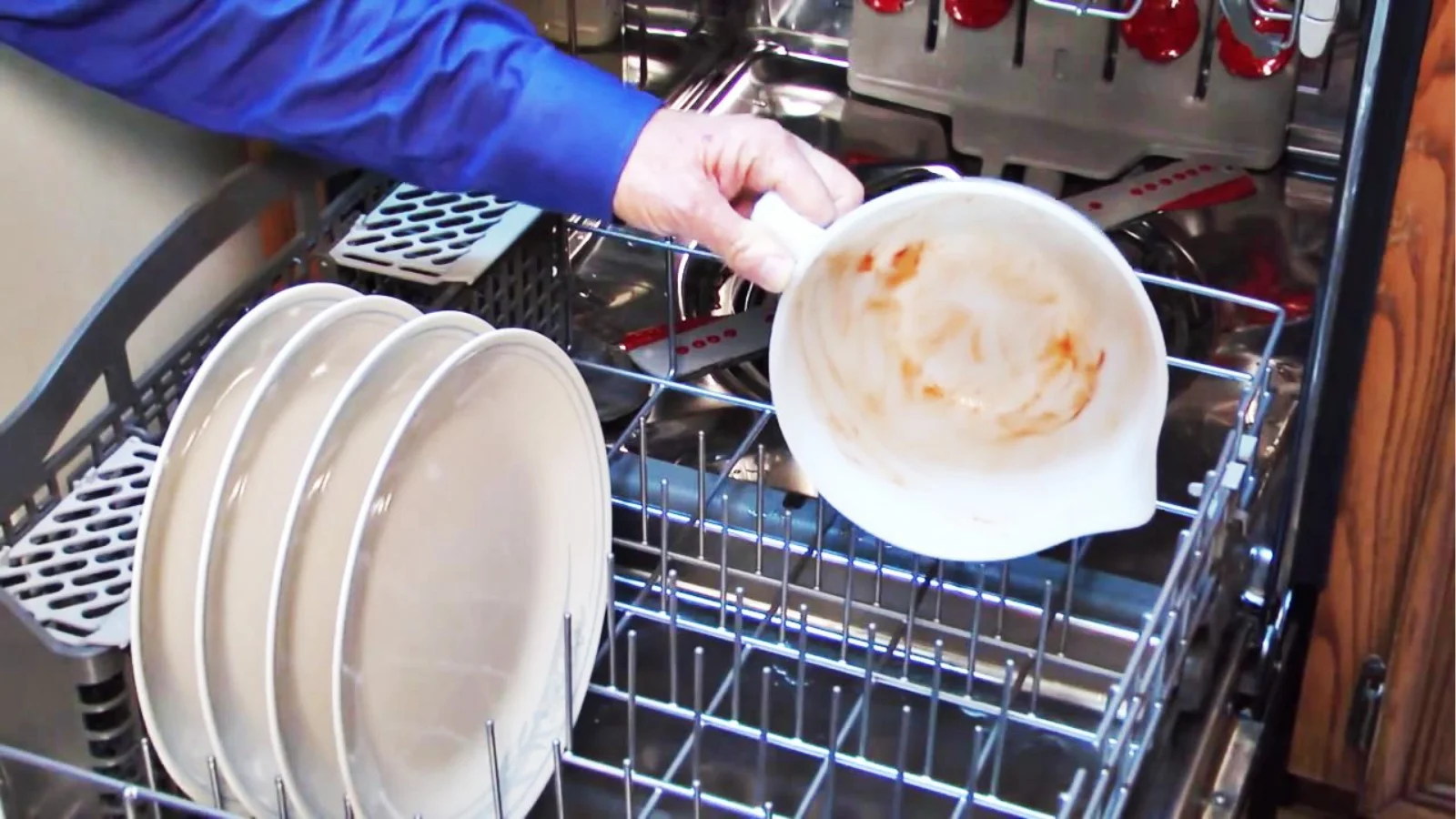
Dishwashers that fail to get your dishes clean is a source of frustration, particularly when it used to work flawlessly. Discoloration of glasses, food residue, and greased plates typically suggest minor maintenance issues or worn-out components. Knowing why is my dishwasher not cleaning my dishes properly will help you pinpoint the issue and then take the appropriate steps to improve efficiency.
If you take care of it properly, with timely cleaning, and expert repairs the dishwasher will perform as good as new. To get fast and reliable service, call Caspi Home Service to bring back the sparkling shine of your cooking routine.
Top Reasons Your Dishwasher Leaves Dishes Dirty
If your dishwasher isn’t cleaning effectively, a few small problems could be at fault. From blocked spray arms to low water temperatures, minor issues can cause dry, dirty dishes. Understanding the common causes can help you identify problems early and help you answer why is my dishwasher not cleaning my dishes effectively.

Spray Arms Are Clogged or Blocked
Minerals and food particles can cause obstructions to the spray arm holes, which can reduce water flow and the power of cleaning. Clean the spray arms and wash them under warm water to eliminate any obstructions. If the cleaning process doesn’t help improve performance, consult an expert to check the spray mechanism for blockages or other damage.
Dirty or Clogged Filters
The filter can trap food particles in every cycle. If it gets clogged, filthy water is recirculated back onto your food items. Clean the filter, rinse it in warm running water and then gently scrub using an easy brush. Make sure to clean it frequently to ensure your dishwasher’s effectiveness.
Hard Water and Mineral Residue
Hard water can leave white chalky spots and dull films on dishes and glasses. This can affect the water pressure as time goes on. You can run a vinegar rinse each month or purchase a water softener in order to stop limescale and ensure your dishwasher is running efficiently.
Detergent Problems
The wrong detergent or putting in too much could cause streaks and residue. Be sure to use a high-quality dishwasher detergent that is specifically designed for your water type. Use the recommended amount to ensure that your dishwasher is cleaned efficiently and without clogging.
Poor Dish Loading Technique
Dish placement issues and overcrowding can block spray arms and limit the amount of cleaning that is done. Make sure to follow these easy loading guidelines:
- Dishes should be spaced.
- Put bulky objects on lower shelves.
- Clean up surfaces and then point them towards those spray arms.
- Avoid nesting cups or bowls. Properly loaded containers allow the water and detergent to get to all surfaces.
Low or Inconsistent Water Temperature
If the water doesn’t get hot enough, the detergent will not dissolve completely and leave behind greasy remnants. Make sure the temperature is around 120 degrees (49 °C). Warm water should be run through your sink before starting the process, or test the heating element if the problem persists.
Faulty Pump or Circulation Motor
A malfunctioning motor or pump can reduce pressure in the water and leave dishes unclean after a thorough washing. Watch for unusual sounds or a weak flow of water in operation. If these symptoms are present, you should schedule a technician visit to check and replace the defective components.

What to Do When Your Dishwasher Isn’t Cleaning
If your dishwasher still leaves residue after a full cycle, a few quick checks can often solve the problem. Follow these simple DIY steps before calling for service:
- Inspect and clean the spray arms: Remove them and rinse under warm water to clear any food or mineral buildup blocking the holes.
- Remove and wash the filter: Take out the filter, rinse it under running water, and scrub gently with a soft brush to remove grease and debris.
- Run a vinegar cleaning cycle: Place a cup of white vinegar on the top rack and run a hot-water cycle to dissolve grease and limescale.
- Check detergent type and quantity: Use high-quality detergent and follow the recommended amount to avoid soap residue or buildup.
- Test water temperature: Ensure your water reaches at least 120°F (49°C) for effective cleaning. Run hot water in the sink before starting the dishwasher.
- Run a baking soda cycle: Sprinkle one cup of baking soda at the bottom of the dishwasher and run a short hot cycle to remove odors and stains.
- Contact a repair expert if the issue persists: If dishes remain dirty even after these steps, professional inspection from Caspi Home Service can identify and fix deeper mechanical or electrical problems.
Simple Maintenance Habits to Prevent Dishwasher Problems
Maintaining your dishwasher in good condition and maintained will help it run efficiently over the course of time. Clean your filters every 2 to 3 weeks, use the proper detergent and rinse aid and try to keep racks from being overloaded. A vinegar rinse every month removes accumulation and keeps spray arms operating at maximum power.
Regular inspections help prevent the development of unpleasant odors and leaks. Inspect the seals, drains and the spray arms to ensure they are free of traces or damage. Wipe them clean if required. To ensure lasting performance, plan an annual professional service using Caspi Home Service to ensure each component is running smoothly and your dishwasher keeps delivering impeccable results.

When You Should Call a Professional Dishwasher Technician
Sometimes, no amount of cleaning or DIY effort can solve the issue. Mechanical or electrical faults, such as a broken motor, faulty heating element, or damaged wiring, require professional attention. If you’ve already tried basic fixes and still wonder why is my dishwasher not cleaning my dishes, it’s time to call an expert.
The experienced team at Caspi Home Service specializes in fast, reliable appliance repair. Our technicians handle everything from Dishwasher Repair, Refrigerator Repair, and Oven & Cooktop Repair to Washing Machine Repair with precision and care. Book your dishwasher repair today and enjoy spotless dishes again!
Conclusion
Most dishwasher problems are caused by simple reasons like blockages in the water jets, dirty filter strips, or improper loading. Regular cleaning and regular maintenance will prevent these issues and help keep your appliance running well.
If you’re still wondering why is my dishwasher not cleaning my dishes, professional assistance can make a huge difference. Get in touch with Caspi Home Service today for expert dishwasher repair. Enjoy the cleanest, most hassle-free dishes every time.
Frequently Asked Questions
Why isn’t my dishwasher washing my dishes, even after I have cleaned the filter?
Blockage of the spray arm or low pressure water or heating problems often hinder proper cleaning, even after maintenance of the filter. A professional inspection is sometimes required.
What is the best time to wash the filter of my dishwasher?
Clean the filter once every two to three weeks in order to keep debris from accumulating, increase the flow of water, and ensure the dishwasher’s efficiency in cleaning, along with overall effectiveness.
Do hard water effects affect the power of my dishwasher to clean it?
Mineral residues from hard water can be found on food items and other internal parts. Descaling regularly or using a softener for water will ensure that you get consistent results in cleaning.
Do I have to fix or replace my dishwasher?
Replace it if it is more than 10 years old or if repair costs surpass half the price of a new energy-efficient dishwasher.