
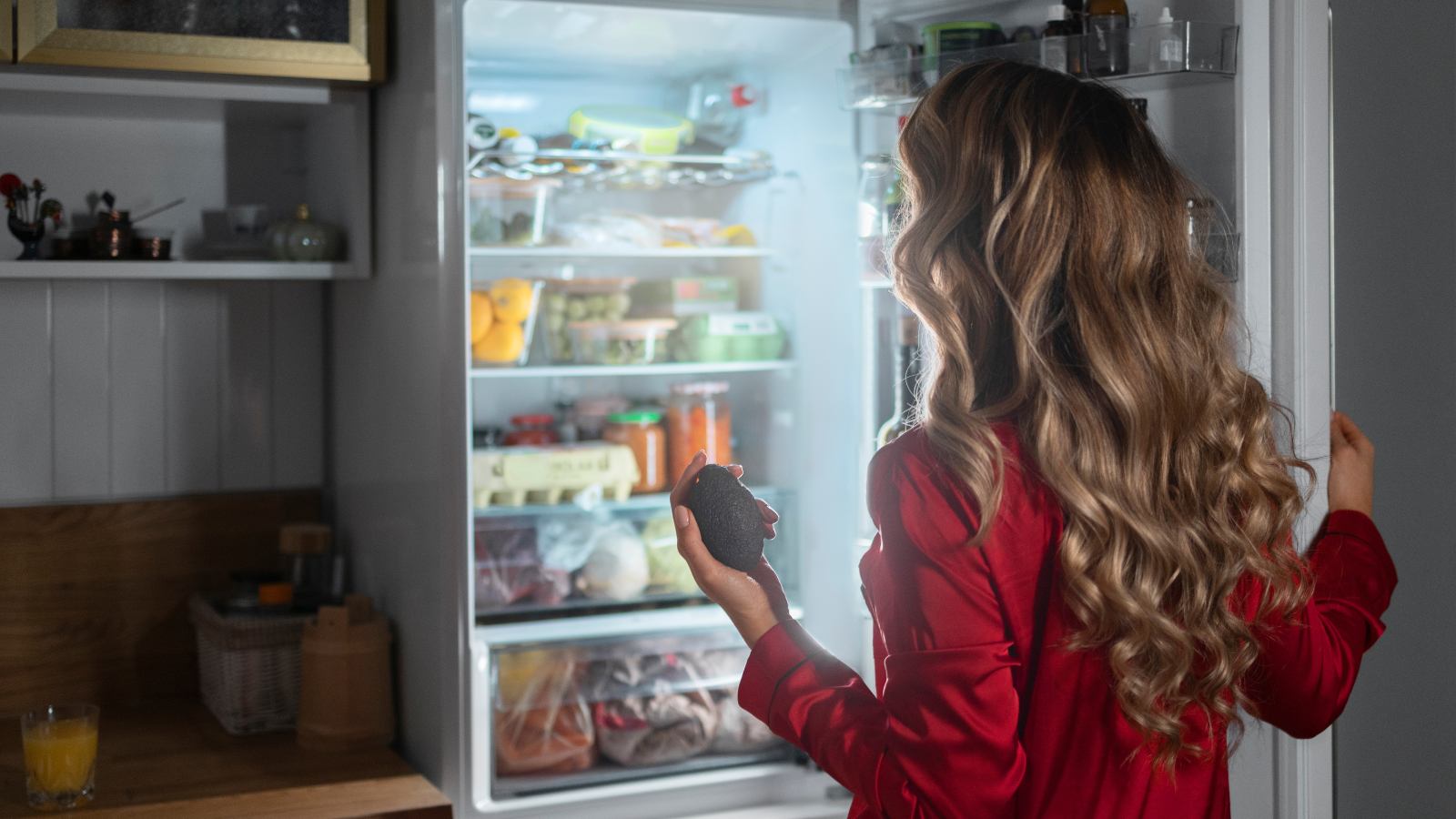
Your fridge preserves your food and keeps it safe for a few weeks or even months. Nevertheless, it should be kept at the correct temperature in order to function. The question many homeowners ask themselves is what temperature should a freezer be at must maintain to strike a balance between energy consumption and food preservation. It should not be set too high, because this will spoil the food, and set too low, because it will consume unnecessary power and result in freezer burn.
Knowing the proper temperature of the freezer will assist you in preserving food, save on electricity, and avoid premature wear of the gadgets. Here are the tips in this guide for the optimum temperature setting, checking, and some easy maintenance tips that ensure your freezer performs well throughout the year.
Why Freezer Temperature Matters
Your freezer is not just a device to preserve food by making it cold: it actually prevents any bacteria from developing. When it is too warm, the food spoils sooner, and when it is too cold, it consumes energy and gives a freezer burn. This is why one should know what temperature should a freezer be at safe and efficient storage.
Keeping your food at the correct temperature helps preserve the food and also conserves power. Even a few degrees of variance can have an impact on the performance of your freezer. When you get it adjusted right, the next time your frozen goods take a longer shelf life, and you are not forcing your fridge to work harder to keep everything cooler.

What Temperature Should a Freezer Be At?
The ideal temperature for a freezer is 0°F (-18°C). At this level, food stays fully frozen, and harmful bacteria can’t grow. This setting keeps ice solid and food texture intact while ensuring the compressor doesn’t overwork.
Some newer freezers include digital displays or smart sensors that automatically adjust temperatures. Still, checking your settings manually once in a while helps ensure accuracy. Knowing what temperature should a freezer be at also helps you spot early warning signs of mechanical issues before they turn serious.
Signs Your Freezer Isn’t at the Right Temperature
These signs often mean your freezer is struggling to maintain the right temperature, which can shorten its lifespan if left unchecked. If you’re unsure whether your freezer is working correctly, look for these common signs:
- Ice cream feels soft or melts around the edges.
- Meat and vegetables have frost or dry white patches.
- Water bottles or ice trays freeze unevenly.
- The motor runs constantly or makes unusual sounds.
- You notice warm spots inside the freezer.
Common Reasons Your Freezer Temperature Changes
Fixing these problems early helps your freezer run efficiently and keeps food frozen without extra stress on the system. Several issues can affect your freezer’s ability to stay cold. The most common include:
- Blocked vents: Airflow is restricted by food items stacked too closely.
- Dirty condenser coils: Dust and dirt prevent proper cooling.
- Worn door seal: Cold air escapes, forcing the motor to run longer.
- Overloading: Too much food reduces air circulation.
- Old thermostat: Faulty sensors may show incorrect temperature readings.

How to Check and Adjust Freezer Temperature
Performing these checks regularly ensures your freezer maintains steady cooling and prevents food spoilage.
Follow these simple steps to make sure your freezer stays at 0°F:
- Place a thermometer inside. Leave it for 24 hours to get an accurate reading.
- Check your settings. Turn the dial or use digital controls to reach 0°F.
- Avoid overpacking. Leave space for air to circulate evenly.
- Inspect door seals. Make sure they close tightly without gaps.
- Clean coils. Vacuum or wipe the condenser coils every few months.
- Recheck after adjustments. Wait another 24 hours to confirm the correct temperature.
Energy-Efficient Tips for a Healthy Freezer
Knowing what temperature should a freezer be at helps you save both food and energy. Keep your freezer full but organized so cold air moves evenly. Avoid opening the door too often, as warm air enters each time and makes the motor run longer. Defrost regularly because thick frost layers make your freezer less efficient.
Use freezer-safe containers to seal in cold air and prevent extra strain on the compressor. Place your freezer away from heat sources like ovens or direct sunlight to maintain a steady temperature. These simple, energy-saving habits keep your freezer running smoothly and extend its life without extra repair costs.
When to Call a Professional for Freezer Problems
If your freezer stays warm, forms too much frost, or stops freezing altogether, it might be time for expert help. Common issues include a faulty compressor, weak thermostat, or refrigerant leak — all problems that require proper tools and skill to fix safely.
At Caspi Home Service, our trained technicians handle all types of refrigerator and freezer repair. We can test your unit, replace worn parts, and make sure it maintains the ideal 0°F temperature. Quick professional service helps you avoid food loss, high energy bills, and costly replacements.

Why Regular Maintenance Makes a Difference
The simplest method of avoiding freezer breakdowns is through regular maintenance. Small problems can be detected by cleaning coils, checking seals, and testing temperatures after several months. A clean and properly maintained freezer chills quickly, consumes less energy, and has a longer shelf life.
Professional inspection will also reveal any obstacles concealed in the form of slow leaks of refrigerant or the wear of components. When your freezer is properly maintained, it can last longer before it requires replacement and keep your frozen food stored all year long.
Conclusion
Now you know exactly what temperature should a freezer be at — a steady 0°F (-18°C) keeps food safe, fresh, and bacteria-free. Keeping it too warm can spoil food, while extra-cold settings waste energy.
Simple habits like cleaning coils, sealing doors, and monitoring temperature go a long way. And if your freezer struggles to stay cold, expert repair from Caspi Home Service can quickly bring it back to perfect working order.
Frequently Asked Questions
What happens if my freezer is too warm?
Food may partially thaw and refreeze, leading to freezer burn and faster spoilage. Always keep it at 0°F for safe storage.
Is 10°F cold enough for a freezer?
No. At 10°F, food can slowly deteriorate. Lower it to 0°F (-18°C) for proper freezing and freshness.
Why is my freezer freezing unevenly?
Blocked air vents or overloaded shelves limit circulation. Rearrange items and clean vents for balanced cooling.
How often should I check my freezer temperature?
Check monthly with a thermometer. If the reading changes often, schedule a service check for better performance.