
What Happens If You Microwave Styrofoam? Here’s the Safe Method
Everywhere there are styrofoam containers. They carry takeout food, leftovers, soups, and snacks. Still, the question most people ask themselves is what happens if you microwave Styrofoam, particularly when you are in a hurry to reheat food. The reason why it is important to know the answer is that unsafe heating can have a toll on your health and even destroy your equipment.
This manual describes the science, hazards, and the safest ways of reheating food. It also brings out the importance of using professional home services as a way of ensuring the safety of the kitchen.
Why People Microwave Styrofoam Containers
It is comfortable to cook food in a Styrofoam container under the influence of the microwave. It cleans utensils, saves time, and prevents the transfer of liquids. The reason why most restaurants use foam is that the foam maintains food warmth and is inexpensive to make. The trend makes individuals believe that all foam containers are heat-resistant.
However, not all foam is safe. Some containers can withstand heat and those that decompose very fast. This instruction will make you notice the differences and prevent dangerous reheating.
What Is Styrofoam and Why Does It React to Heat?
Polystyrene foam takes the form of Styrofoam. It captures air bubbles forming a lightweight, insulating fabric. It is a design that maintains food at a hot state and avoids spills. It is used in soups, noodles, and hot meals in restaurants.
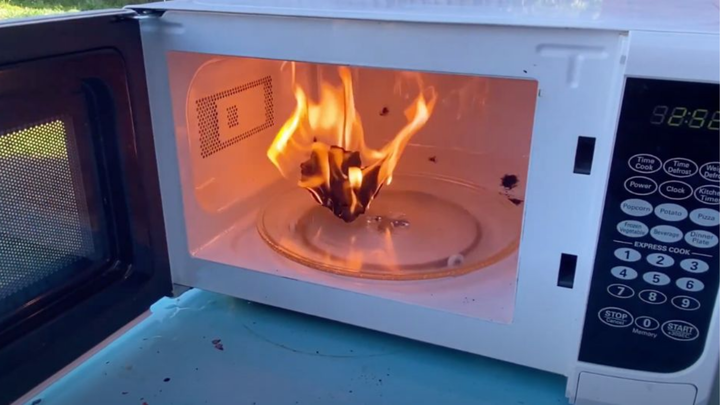
The problem is that polystyrene becomes soft in the case of exposure to heat. As the temperature increases, the plastic loses shape. Microwave heat can only be handled in specially marked containers. The majority of take-outs do not have this heat-resistant structure.
What Happens If You Microwave Styrofoam?
- The heat may soften, melt, or weaken the foam container.
- The structure can warp, bend, or collapse under high temperatures.
- Chemical particles may be released from the foam as it breaks down.
- These changes are not always visible on the surface.
- The container may look normal even while breaking down internally.
- Food can absorb released particles, affecting quality and safety.
- Hot liquids and oily foods increase the chance of chemical transfer.
- Understanding what happens if you microwave Styrofoam helps you avoid unsafe reheating practices.
Is It Safe to Microwave Styrofoam?
Some of the terms that people use to find answers to questions, such as is it safe to microwave Styrofoam are used by many individuals. The solution lies in labeling. Foam labeled microwave-safe has been designed to withstand moderate heat. The Styrofoam used regularly is incapable of withstanding microwave heating and must not be used for heating.
The FDA issues warnings to consumers not to heat food in unsuitable plastic containers. Unstable foam can be altered, become weak, and could move chemical contents into your food because of heat. The labels: the first line of protection is reading.
Does Styrofoam Release Toxins When Heated?
One of the biggest questions people ask is does Styrofoam release toxins when heated. Polystyrene can release styrene when exposed to high heat. This may happen when the foam melts or becomes unstable. Food that touches softened foam may absorb small amounts of these chemicals.
Although occasional exposure is low, consistent reheating is not advisable. Heat affects stability faster when the container holds soups, sauces, or acidic meals. Using the right container prevents unnecessary exposure.
What Happens If You Microwave Polystyrene?
Another related question is what happens if you microwave polystyrene. Polystyrene reacts to heat by softening, bending, or creating thin, weak spots. These weak areas may break when you lift the container. If the foam collapses, hot food may spill and cause burns.
Polystyrene cannot tolerate high heat because of its air-filled structure. This design makes the container light but also fragile during heating. Choosing microwave-safe materials helps avoid these risks.
Can Styrofoam Go in the Microwave for 30 Seconds?
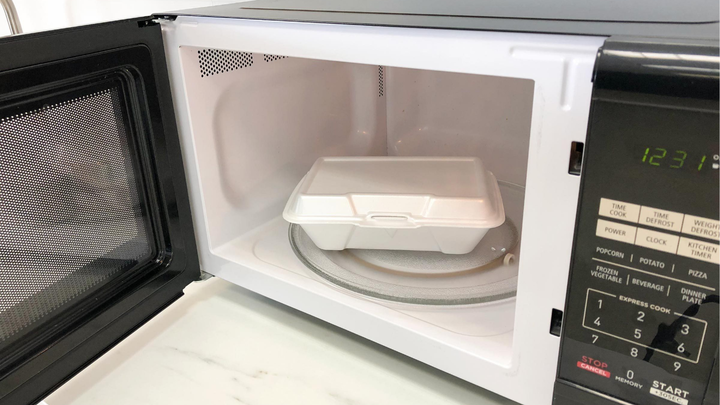
Many online recommendations suggest short heating is harmless. People often ask can Styrofoam go in the microwave for a few seconds. Even short heating can damage the foam because microwaves heat foods unevenly. Hot spots form inside liquids and create quick bursts of heat.
These bursts may weaken the foam faster than expected. Even when the container looks fine, internal damage may still occur. Transferring food to a safe dish is always the safer choice.
Is It Safe to Reheat Food in a Styrofoam Container?
The most common question posed by many consumers is whether it is safe to reheat food in Styrofoam container packaging. This is a question of the symbol at the bottom. In case of the absence of a microwave-safe mark, the vessel cannot be used to reheat.
Warming food can also weaken the container, even though it is quick to warm. The most dangerous category of liquids is because they boil quickly. Placing your food in a covered dish will make sure your food is heated evenly and your microwave is not damaged.
Fire, Melting, and Structural Damage Risks
Foam is not very numerous by nature, but when subjected to unequal heat, it burns or deforms. Microwaves form hot spots, and they can be used to melt thin sections of the container. In the event of a collapse of the foam, the substance may overflow in the machine and cause cleaning problems.
Microwaves used in the past tend to warm unevenly, and thus, there is a higher possibility of the foam melting. Should you notice irregular heating of your microwave, then it is time to get it checked by a professional.
What Happens When You Microwave Styrofoam?
Many people wonder what happens when you microwave Styrofoam because the container often looks unchanged after heating. Nevertheless, the foam is possible to become weak at the molecular level. The heating process has an impact on the structure that you might not notice, and therefore, the container is not as stable as it could be, and it might be dangerous to store hot foods.
Such internal transformations can make the foam walls soft, thin, or bend, although the overall shape might seem normal. This is a loose framework, and you are more likely to transfer chemicals to your food. Knowing about such latent responses allows you to make safer decisions about reheating foods and also to take risks that are unnecessary.
Safe Alternatives to Microwaving Styrofoam
The safest materials for reheating include:
- Glass
- Ceramic
- Microwave-safe plastics
- Heat-resistant silicone
These materials hold shape and do not break down under heat. They also preserve flavor and texture better than foam. Using a proper lid prevents splatter while keeping moisture inside. Switching to safer materials protects your appliances and your meals.
Importance of the Microwave professionals
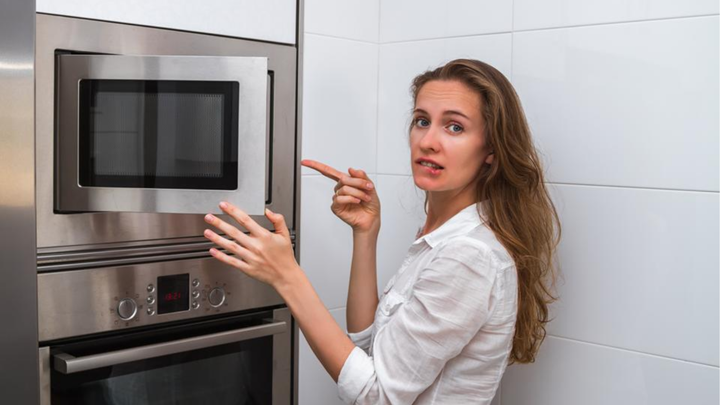
Microwave experts assist in avoiding the dangers associated with the heating of containers such as Styrofoam. They look at the problems like uneven heating, overheating, or parts that are faulty, and are likely to make the problem of what happens if you microwave Styrofoam even worse. Their professionalism secures your appliance, food safety, and the safety of your kitchen in general.
The safe reheating practices are also upheld by certified technicians who detect those circumstances. That can aggravate the risks associated with whether it is safe to microwave Styrofoam or can Styrofoam go in the microwave.
Appropriate inspections enhance the heating performance, minimize the energy waste, and eliminate chemical exposures due to unstable containers or broken-down microwave systems.
Why Home Services Matter for Kitchen and Appliance Safety
The safety of microwaves is the right performance of its appliances. Uneven heating, excessive heating, or unusual sounds are usually a sign of a mechanical problem. The home service expert can check your microwave, check the performance of the microwave, and ensure it is safe.
Styrofoam can easily be overheated by the old or damaged microwaves. Inconsistent heat is also due to poor internal ventilation. Regular repairs ensure that your appliances are efficient and safe.
To receive quality appliance services, maintenance, or domestic assistance, go to caspihomeservice. With professional assistance, your kitchen will always be safe.
Conclusion
Heating foam can melt the container, release chemicals, and change food quality. Understanding what happens if you microwave Styrofoam helps you avoid these risks and choose safer reheating methods. Containers not labeled are safe to microwave Styrofoam or can Styrofoam go in the microwave may break down quickly, especially with hot liquids or oily meals. Using heat-safe dishes protects your health, prevents spills, and keeps appliances functioning correctly.