
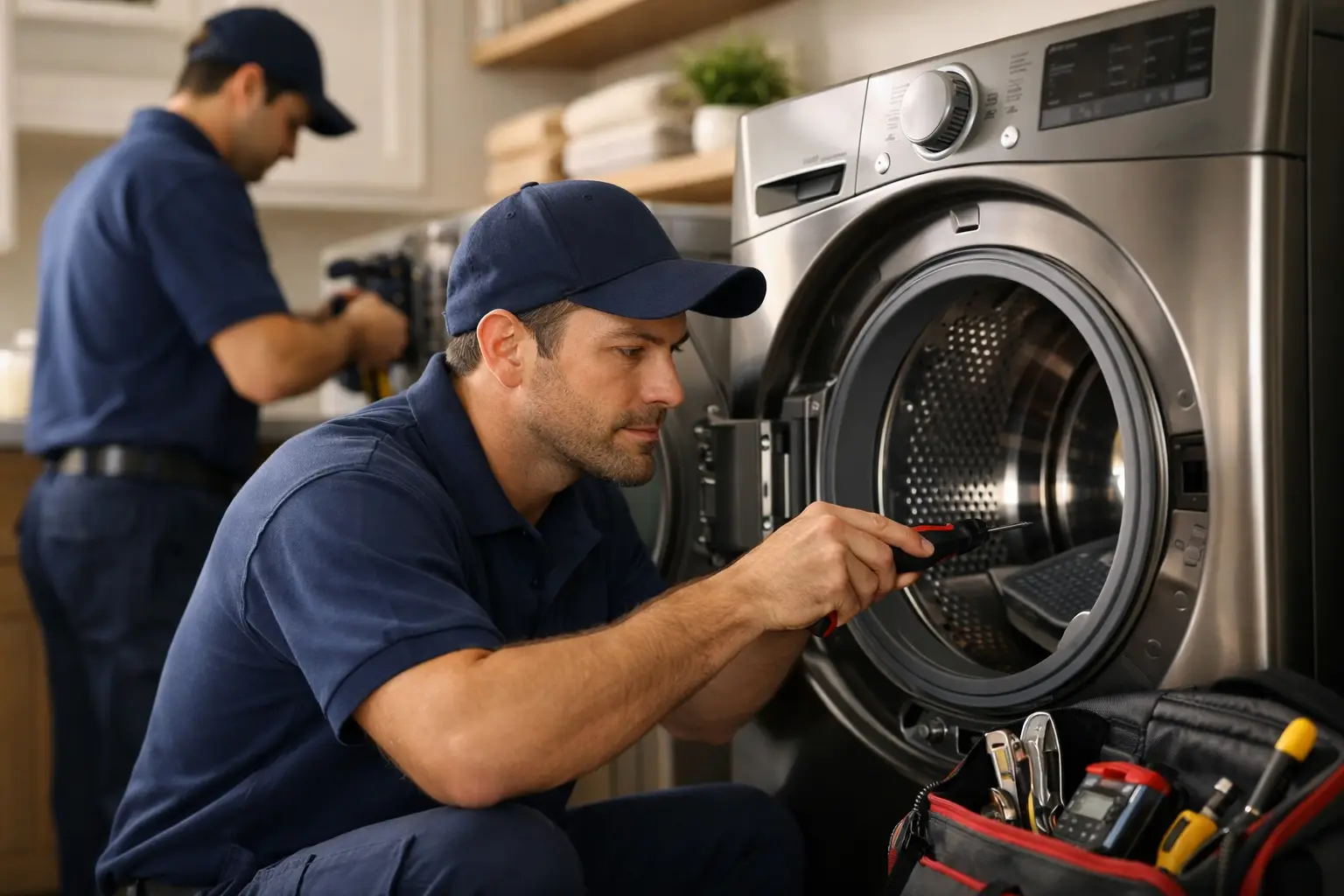
When your dryer stops heating, shuts off mid-cycle, or starts making a grinding noise, laundry stops being routine and starts disrupting the whole house. That is when LG dryer repair specialists make a real difference – not just by replacing a part, but by finding the actual cause, explaining the fix clearly, and getting your appliance back to normal without adding more stress.
LG dryers are built with features homeowners like for good reason. They are efficient, packed with sensor technology, and designed to handle heavy use. But those same features also mean diagnosis is not always straightforward. A dryer that will not start may have a simple switch issue, or it may point to a control problem, airflow restriction, or failing thermal component. The right repair starts with the right diagnosis.
Why LG dryer repair specialists matter
Not every dryer problem should be handled the same way, and not every technician approaches LG equipment with the same level of familiarity. Brand-specific experience matters because LG dryers often combine electronic controls, moisture sensing, safety systems, and venting requirements that can affect one another. What looks like a heating issue can actually start with restricted airflow. What seems like a drum problem can trace back to worn support rollers, a damaged belt, or a motor beginning to fail.
An experienced specialist understands how these systems interact. That saves time, reduces guesswork, and lowers the chances of replacing the wrong part. It also gives homeowners and property managers something they value just as much as the repair itself – confidence that the problem was handled correctly the first time.
That does not mean every issue is major. Some LG dryer repairs are relatively straightforward. Others take more testing and a careful process to avoid misdiagnosis. The point is not to make the job sound bigger than it is. The point is to make sure the fix matches the real problem.
Common problems LG dryer repair specialists see
A dryer that runs but does not heat is one of the most common service calls. In electric models, the cause may involve the heating element, thermostat, thermal fuse, or internal wiring. In some cases, the dryer itself is not the only issue. Power supply problems can also affect heating performance, which is why proper testing matters.
Another frequent complaint is extended drying time. Many homeowners assume the machine is getting weak, but the dryer may actually be protecting itself because of poor airflow. A clogged vent, crushed duct, or lint buildup can keep moisture from escaping. That makes cycles longer, raises internal temperatures, and can lead to repeat breakdowns if ignored.
Noise is another warning sign that should not be brushed off. Thumping, squealing, scraping, or rumbling usually points to wear somewhere in the drum support system. Rollers, glides, pulleys, and belts all take stress over time. Catching those issues early can help prevent more extensive damage.
Then there are dryers that simply will not start or stop unexpectedly. Door switches, control boards, fuses, moisture sensors, and motors can all play a role. In newer models, error codes may offer clues, but they rarely tell the whole story by themselves. A code is a starting point, not a full diagnosis.
Signs your LG dryer needs professional service
If clothes come out damp after a normal cycle, the drum turns unevenly, the unit smells hot, or the dryer trips off before the load is done, it is smart to stop and have it checked. The same goes for repeated error codes, sudden noise changes, or a dryer that powers on but does not actually run.
Some owners wait because the dryer still sort of works. That can be a costly choice. Small failures often put extra strain on surrounding parts. A worn roller can affect the motor. Airflow problems can overheat heating components. A loose connection can turn intermittent problems into a complete shutdown.
What good LG dryer repair service should look like
A strong service experience starts before the repair itself. You should be able to explain the symptom, schedule help without a lot of back and forth, and know what to expect when the technician arrives. For most households, speed matters because laundry piles up fast. For landlords and small business operators, downtime can affect tenants, turnover, or daily operations.
Once on site, the technician should inspect the dryer thoroughly, not just focus on the most obvious symptom. Good repair work is not rushing to the first likely answer. It is checking the parts and conditions that may have caused the failure in the first place, including venting, electrical performance, mechanical wear, and control response.
Clear communication matters just as much. Homeowners should not have to guess whether a repair is worthwhile. A trustworthy technician explains what failed, what needs attention now, and whether there are any related risks to watch for. That kind of transparency is a big part of what makes service feel dependable.
If parts are needed, the next step should be just as straightforward. You want upfront recommendations, professional workmanship, and warranty-backed repairs that give you peace of mind after the job is done. For many customers, that reassurance is what separates a one-time fix from a service company they will call again.
Repair or replace? It depends on the dryer and the problem
This is one of the most common questions homeowners ask, and the honest answer is that it depends. If your LG dryer is newer and the issue is isolated to a repairable component, fixing it often makes sense. If the machine has been reliable overall, a targeted repair can extend its life and restore performance without the hassle of replacement.
On the other hand, if the dryer has multiple failing parts, repeated service history, or signs of broader wear, replacement may be the better long-term move. That is especially true when performance has been declining for a while and the repair would only address one part of a larger problem.
A dependable service company should not push either option blindly. The best advice takes the dryer’s age, condition, symptom history, and repair scope into account. Customers appreciate honesty, especially when they are already dealing with an inconvenient breakdown.
How to choose the right LG dryer repair specialists
Start with experience and consistency. Brand familiarity matters, but so does the quality of the service process around it. Look for a company that works on residential and light commercial appliances regularly, offers clear communication, and stands behind its repairs.
Reviews and reputation are useful because they show how a company handles real-world service. Did the technician arrive prepared? Was the diagnosis explained well? Did the repair hold up? Those details tell you more than broad marketing claims.
It also helps to choose a provider that respects your time. Same-day or next-day availability can matter when a household is already behind on laundry. A no-hassle booking process, upfront pricing, and a labor and parts warranty all signal a business that takes customer trust seriously. For many homeowners in busy markets like Orlando, Tampa, Jacksonville, Charleston, and Columbia, convenience is not a bonus – it is part of what makes the service valuable.
That is one reason customers often prefer a family-owned company with a strong local service model. When a business is built around repeat relationships, not one-off calls, the standard tends to be different. CASPI Home Service is one example of that approach, combining certified technicians, fast dispatch, and a 90-day warranty with the kind of direct, practical communication people want when an essential appliance fails.
Can you troubleshoot an LG dryer yourself?
There are a few reasonable checks homeowners can make before booking service. You can confirm the dryer is plugged in securely, make sure the breaker has not tripped, clean the lint filter, and inspect the visible vent connection for obvious blockage or crushing. If the dryer is showing an error code, writing it down can also help speed up diagnosis.
Beyond that, caution is the better path. Dryers involve heat, moving parts, and electrical components. Taking panels apart without proper testing can lead to wasted time, wrong parts, or safety risks. Even well-meaning DIY repairs can make a later professional diagnosis more difficult.
A better approach is simple: note the symptoms clearly. Is the dryer heating at all? Is the drum turning? Is the noise constant or only at startup? Does it stop after a few minutes or run through the full cycle? Those details help a specialist narrow the problem faster.
Why timely dryer repair is worth it
A faulty dryer rarely improves on its own. More often, the warning signs get easier to ignore right up until the machine stops completely. Addressing the problem early can protect the appliance, reduce wear on other parts, and get your household back on track with less disruption.
If your LG dryer is acting up, the best next step is not guesswork. It is getting help from technicians who know how to diagnose the machine properly, explain the issue clearly, and complete the repair with care. When service is fast, transparent, and backed by real accountability, getting your dryer fixed feels a lot less like a hassle and a lot more like a problem already on its way out.