
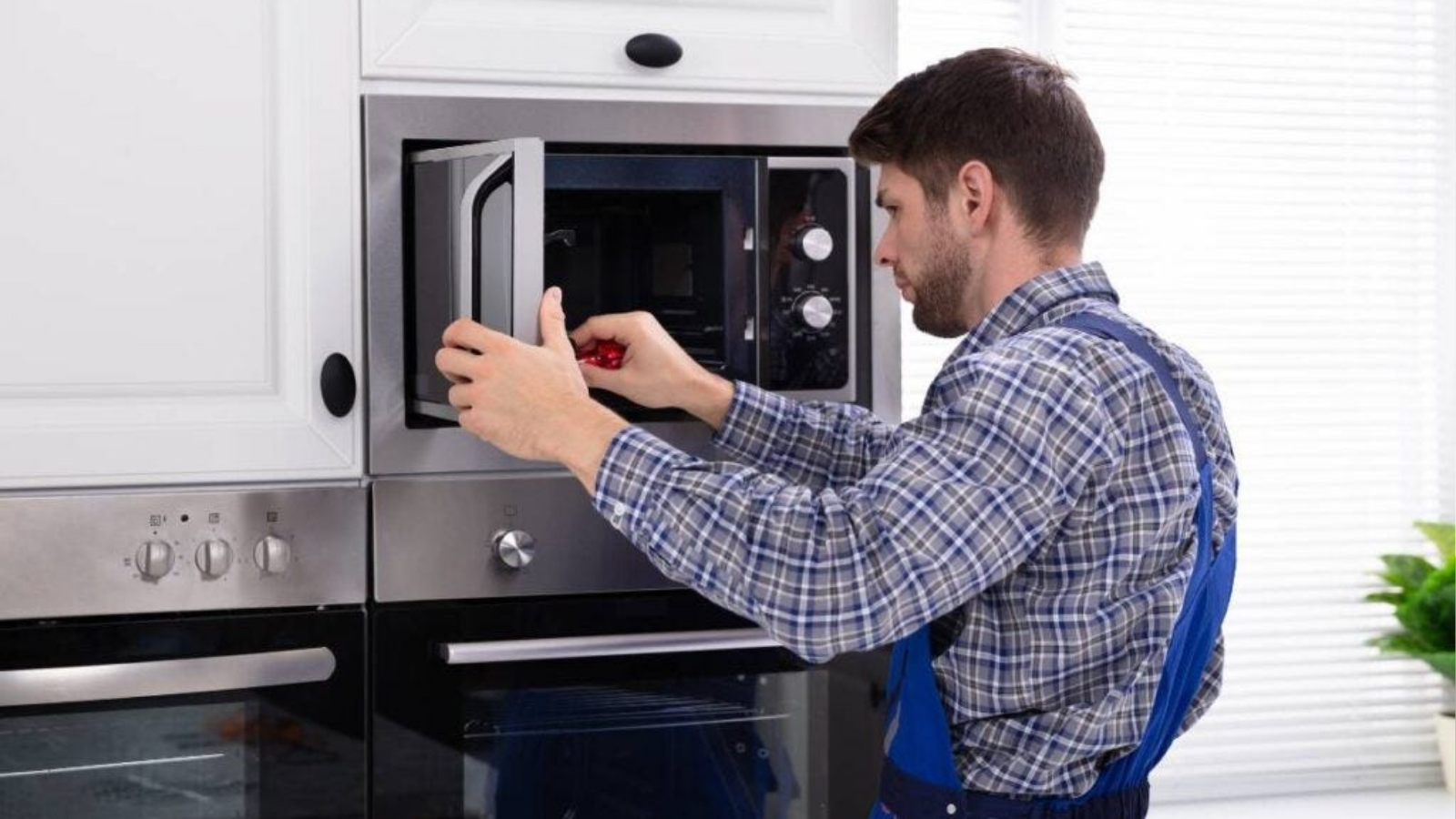
How to Repair Microwave Oven Not Heating: Real Causes and Expert Solutions
It is not only you who are having your microwave working, yet not heating food. This is one of the problems of many homeowners who instantly begin to ask themselves how to repair microwave oven not heating that does not heat safely. The thing is that it may seem to be a minor issue, but a number of electrical components within the unit may lead to this failure.
Microwave ovens have high-voltage parts, and attempting to fix them without the necessary tools is hazardous. Knowing the causes of heating failure also makes you know when it is safe enough to do the troubleshooting process of the heating failure, and when a call a professional technician.
Why Microwaves Stop Heating
In cases where a microwave turns on and does not warm food, the problem normally is in the components of power and heat production. One of the most common causes is the faulty magnetron because it is the one that heats your food by generating the microwave energy.
A blown high-voltage diode is another common problem that stops the flow of power to the magnetron and thus does not allow it to generate heat. It may also be caused by a faulty capacitor that does not contain or dissipate the energy required to work.
A broken door switch prevents a safe operation of the microwave; sometimes the control board is faulty, and the signals may not be transferred to the important parts. A single small malfunction of these components may prevent your microwave oven in its entirety.
Signs Your Microwave Needs Repair
If any of these symptoms appear, don’t keep running the appliance. It can lead to electrical damage or short circuits. Your microwave gives early warning signs before it stops heating completely. Watch for these clues:
- Food stays cold even after a full cycle.
- You hear humming, but no heat is produced.
- The interior light or turntable doesn’t work properly.
- The display flickers or shows error codes.
- A burning smell or popping sound occurs during use.
Common Causes of a Microwave Not Heating
Each issue requires specific tools and safety steps that only trained technicians should handle. There are several possible reasons behind this problem:
- Burned-out magnetron: Over time, this essential part weakens and stops producing heat.
- Power supply issues: Voltage fluctuations can harm the internal circuit.
- Defective thermal fuse: Stops current flow to prevent overheating but disables heating.
- Broken door latch: If the door isn’t sealing properly, the microwave won’t run.
- Internal wiring faults: Loose or burned wires interrupt electrical flow.
Why Microwaves Are Risky to Repair Yourself
Microwave ovens will use up to 4,000 volts of power, even when it is not plugged in, the capacitor may hold a deadly charge. This is why tutorials on how to repair microwave oven not heating are usually accompanied by a high warning of danger.
Trying to repair it on your own may result in fire or electrical shock. The replacement of such a part as the magnetron or capacitor involves accuracy and measuring devices. It is always better to call an expert repairer who would be able to diagnose and resolve the problem correctly.
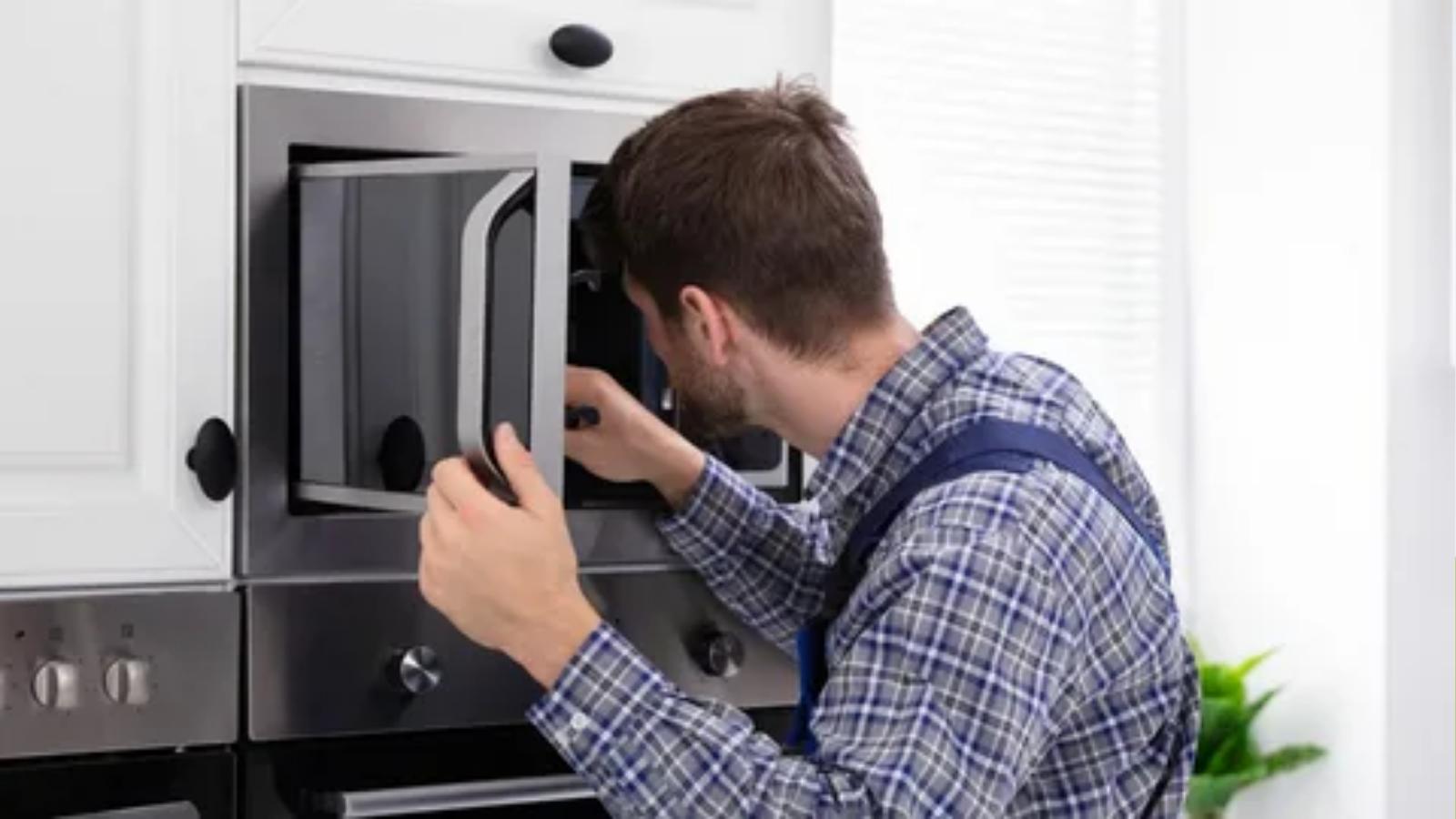
Understanding the Magnetron’s Role
The microwave engine is the magnetron. It produces the energy to warm your food. When burnt down, your microwave still switches on but will no longer generate heat.
A magnetron will not be as easily replaced as a bulb. It should be checked, stripped, and installed with insulated tools. It is also possible to ensure that the high-voltage diode and the capacitor are functional, as tested by professionals, to avoid recurring failures.
Door Switch and Fuse Issues
When your microwave is not starting or heating, the door switch system may be the problem. The new microwaves have various safety switches to guarantee that the door is completely closed before it starts working.
The failure of one eliminates the magnetron activation. Equally, a faulty fuse or a faulty thermal protector can turn the whole system off. These components are difficult to test and replace unless an electrical expert has the expertise and tools necessary.
Electrical Problems and Control Board Faults
Occasionally, the control board, which is the brain of the microwave, ceases to provide power to the heating parts. This may occur because of power peaks or erosion.
Indications are the unresponsive buttons, flickering lights, or uneven cooking periods. Control boards are complicated to replace or repair and must be undertaken by certified technicians who are conversant in microwave electronics.
When to Call a Professional
These are all signs of electrical failure. Professionals have the tools to test each component, replace only what’s necessary, and ensure your appliance runs safely again. It’s time to call a technician if your microwave:
- Runs but never heats.
- Makes humming or buzzing sounds.
- Smells like burning plastic.
- Trips your circuit breaker.
- Shows error codes or stops mid-cycle.
Why Choose Caspi Home Service
In Caspi Home Service, we are in the business of diagnosing and fixing all major home appliances, such as microwave, oven, fridge, and dishwasher. With high-level equipment, our certified technicians will diagnose the precise cause of heating problems within a short time and repair them with a high level of safety.
As opposed to making guesses about how to repair microwave oven not heating, our engineers do it all, including troubleshooting the voltage elements, as well as installing defective parts with authentic ones. You receive the confidence of service, fair cost, and long-lasting outcomes.
Preventive Tips to Keep Your Microwave Working
Regular care helps your microwave last longer and prevents small issues from turning into costly repairs. Here are simple ways to prevent heating problems in the future:
- Avoid running the microwave empty.
- Keep food covers clean and dry.
- Use microwave-safe containers only.
- Wipe spills immediately to prevent buildup.
- Schedule an annual appliance checkup.
Stay Safe with Professional Microwave Repair
When your microwave oven is not heating or its appearance has been damaged, then you should not take the chance of performing a home repair. It takes accuracy and safety expertise in electrical repairs.
Rather, book an appointment with trained professionals who would be able to deal with the issue appropriately. Caspi Home Service is guaranteed to do all repairs carefully and restore your appliance to performance, and save your home against possible hazards.
Frequently Asked Questions
My microwave does not heat food. Why?
It can be a faulty magnetron, a blown fuse, or a faulty door switch. Every part can be tested safely by a professional.
Will I be able to service my microwave?
It’s not recommended. High-voltage components of microwaves are charged even when a machine is not plugged in, which is potentially hazardous
What is the time taken to repair a microwave that is not heating?
The majority of repairs require one to two hours, depending on the component to be replaced.
Should an old microwave be repaired?
Yes, in case of a model that is younger than 8 years and in good condition. The cost of repairs is usually lower when compared to the cost of a new item.
What can I do to avoid microwave heating problems?
Wash often, no use of metal containers, and have a professional serviceman service the machine once a year.