
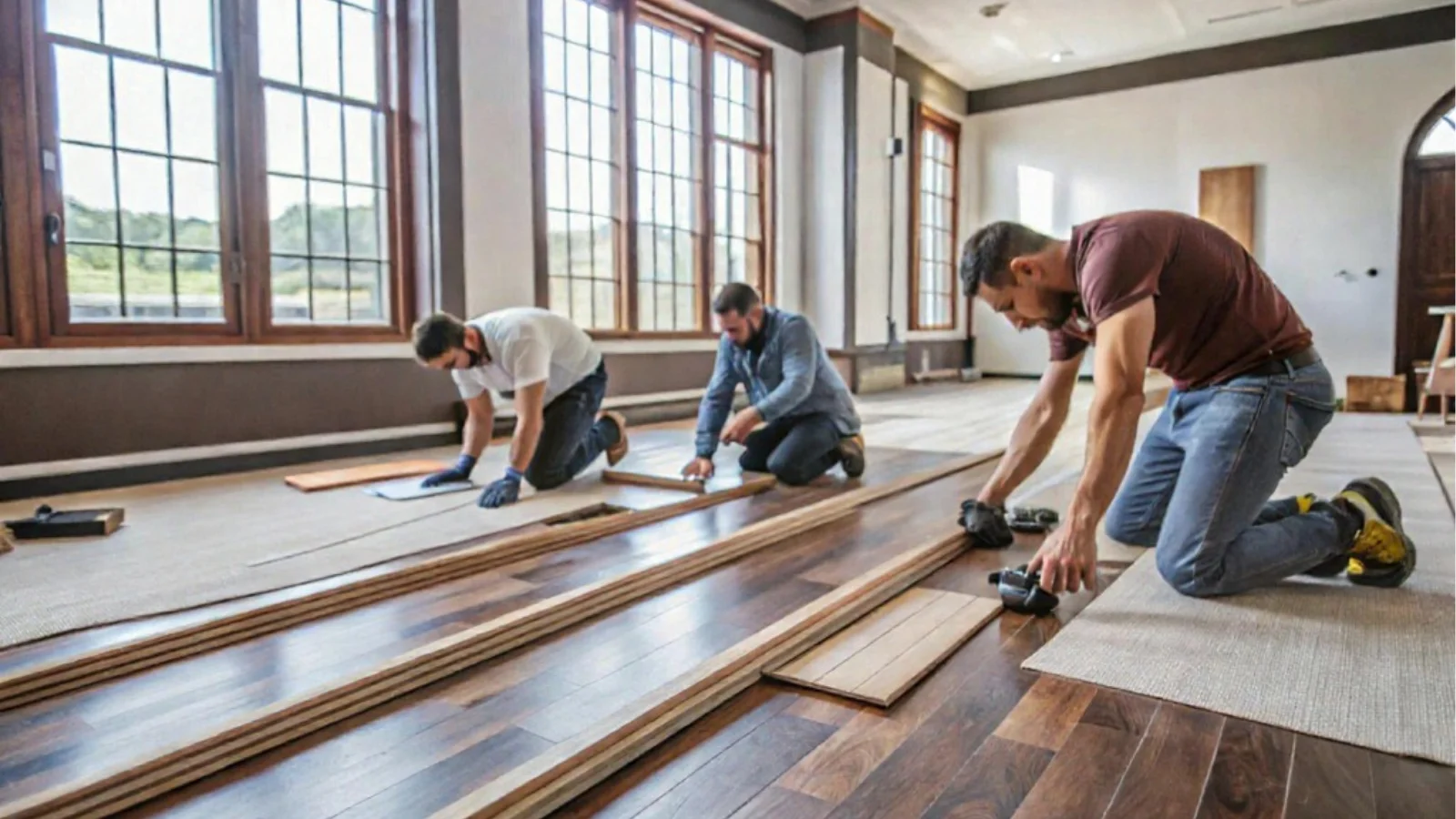
Hardwood floors make homes warm, clean, and stylish. They last for years with simple care. Many homeowners ask how much to install hardwood floors when planning upgrades. The answer depends on the wood, the space, and the method. Professional work keeps the process smooth and safe. You get clear steps, neat results, and a long life.
Why Choose Hardwood Floors for Your Home
Hardwood floors look natural and elegant. They brighten rooms and match many styles. Families like them because they clean easily. A quick sweep removes dust and crumbs. Damp mopping keeps them fresh and smooth. Children and pets are safer on a firm, even surface. That makes daily life simple.
These floors also help the air stay cleaner. Carpets can hold dirt and smells. Hardwood does not trap allergens. It stays steady through seasons with basic care. When you plan a remodel, hardwood gives lasting value. It also helps future buyers trust your home. That makes it a smart choice.
Wood Types for Hardwood Floor Installation
- Oak: Strong and classic. Hides small dents well. Works in most rooms.
- Maple: Light color and smooth grain. Feels modern and clean. Great for busy areas.
- Hickory: Very hard and tough. Shows bold grain. Handles pets and kids well.
- Walnut: Deep, rich tone. Softer than oak. Best for living and bedroom areas.
- Cherry: Warm red shade that deepens with time. Elegant look. Use in low-traffic rooms.
- Ash: Light and bright. Springy underfoot. Good in family spaces.
- Birch: Subtle grain and soft tone. Budget-friendly. Fits simple, calm designs.
- Engineered Hardwood: Real wood on top with layered core. Handles humidity better. Works over concrete.
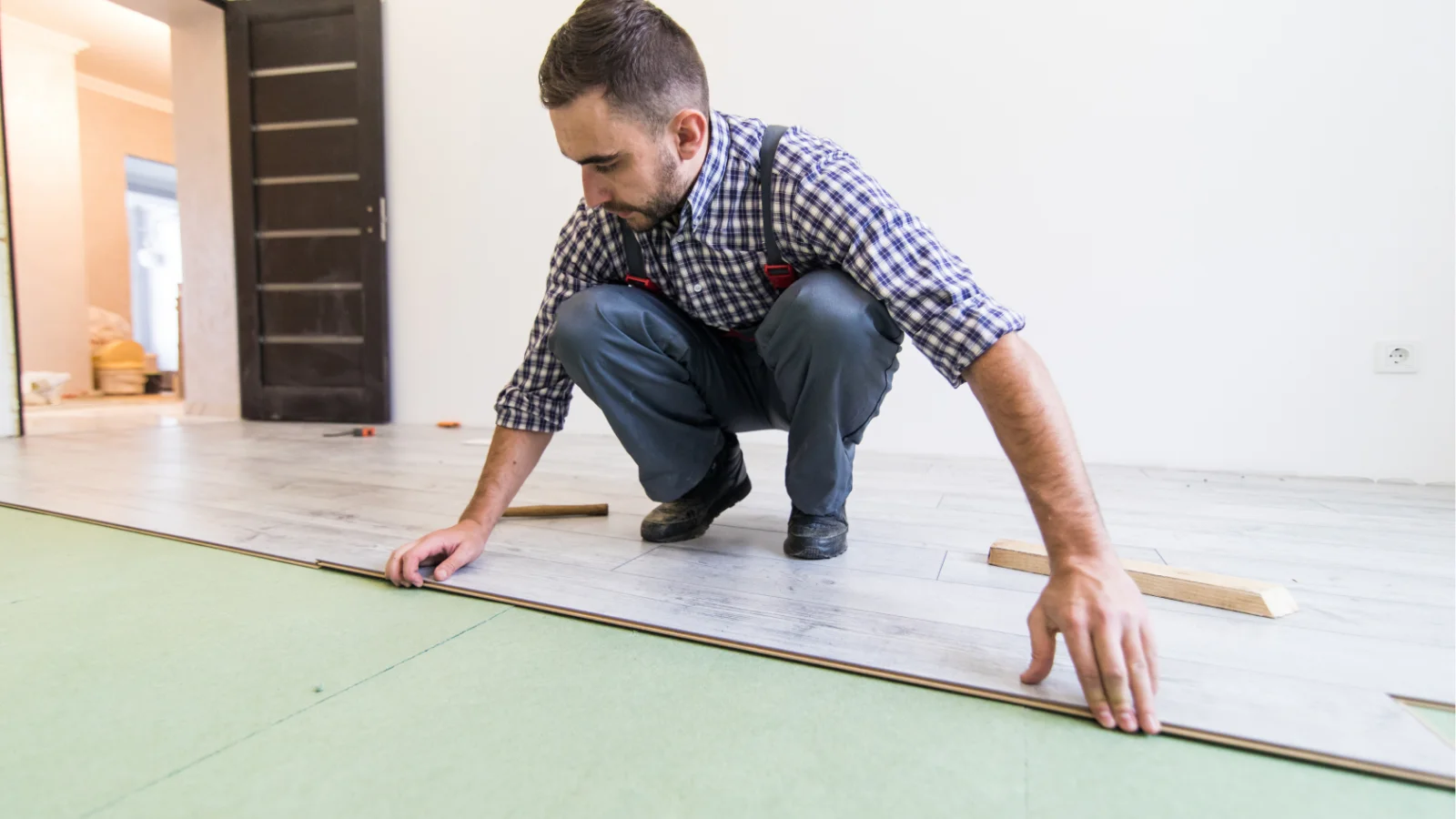
Installation Methods for Hardwood Floors
- Nail-Down: Fix boards to a wood subfloor—achieve a strong, classic feel.
- Staple-Down: Faster than nails for thinner boards. Needs a wood subfloor.
- Glue-Down: Bond to concrete or sound tile. Quieter, very stable.
- Floating / Click-Lock: No nails or glue to the base. Fast and clean.
- Glue-Assist (Hybrid): Nails/staples plus adhesive. Controls movement, reduces squeaks.
- Over Radiant Heat: Use engineered wood. Follow temperature and moisture limits.
- Stairs & Landings: Glue + nail combo. Adds grip and long-term safety.
Labor and Professional Hardwood Floor Installation
Professional installers measure every wall and corner. They plan the board layout for a balanced look. Cuts stay tight and clean at the edges. Gaps and squeaks are prevented before they start. The team follows safe steps and uses proper tools. That keeps your home protected.
Skilled labor also speeds the project. Doors, trim, and vents get neat finishes. Furniture and walkways stay usable when possible. A lead installer checks the work at each stage. Small fixes happen right away. The result is flat, firm, and beautiful. You enjoy a smooth, stress-free process.
Prep Work Before Installing Hardwood Floors
Good prep makes floors last longer. The team checks moisture and level across the room. High spots get sanded. Low spots get filled. Old flooring may be removed. Underlayment can add stability and quiet. Clean surfaces help boards lock well and stay tight.
Rooms need space to work. Clear furniture before the crew arrives. Protect nearby areas with covers and tape. Plan safe paths for family and pets. Check door swings and thresholds. Gather answers to simple questions. Smooth prep lowers risks and keeps the schedule steady.
Solid vs. Engineered Hardwood Flooring
Solid hardwood is one piece, top to bottom. It can be sanded many times throughout its life. It brings a classic feel and deep renewal options. Engineered hardwood has layers with a real wood top. It handles humidity better and installs in more places.
Engineered works well over concrete and in lower levels. Solid prefers stable, dry rooms. Both look beautiful when installed well. Your lifestyle and home decide the winner. Think about sunlight, traffic, and future changes. Then choose the option that suits your plan.
| Feature | Solid Hardwood | Engineered Hardwood |
| Structure | Single solid piece | Layered core, wood top |
| Humidity handling | Low to moderate | Moderate to higher |
| Refinishing | Many times | Limited times |
| Installation base | Wood subfloor | Wood or concrete |
| Typical feel | Very firm, traditional | Firm, versatile |

Regional and Home Factors for Installing Hardwood Floors
Homes in busy areas may need more scheduled care. Elevators, parking, and building rules can affect timing. Rural homes may have wide spaces and long runs. Both need thoughtful planning. Supply timing can vary by region. Good teams manage these details with ease.
Your floor plan shapes the work. Open rooms speed the process. Many cuts slow it. Hallways, closets, and stairs need precision. Sun and shade also change finish choices. Rugs may define traffic paths. Share your needs early. The team will match the plan to your life.
DIY vs. Professional Hardwood Floor Installation
DIY seems simple at first glance. But layout, cuts, and leveling are hard. Small mistakes cause gaps or noisy boards. Fixing those issues later is stressful. Tools and safety gear add more pressure. Time often runs long. Families feel the impact.
A professional team prevents those problems. They bring skill and speed. They protect walls, doors, and trim. They clean as they go. Your rooms return to normal faster. You gain confidence that the job was done right. That peace of mind is priceless for most homes.
Ready to Install Hardwood Floors?
Hardwood floors bring natural beauty that lasts. They make rooms calm, bright, and easy to clean. Proper planning and skilled work deliver smooth results. Your home feels new without losing its soul. Families enjoy comfort and confidence every day.
Many homeowners ask how much to install hardwood floors before they start. The best path is a clear plan and a trusted crew. Caspi Home Service handles everything with care. We measure, prepare, and install with precision. Reach out today and let’s build a floor you’ll love.
Frequently Asked Questions
Can hardwood go in kitchens?
Yes, with mindful care. Wipe spills quickly. Use mats near sinks and dish areas. Choose a strong finish that resists marks. Good habits keep surfaces safe and bright.
What about basements?
Engineered hardwood handles basement moisture better. Add a moisture barrier. Control humidity with vents or a dehumidifier. Follow the installer’s advice. The right plan keeps floors stable and firm.
Will I need to leave the home?
Usually no. Some steps can have mild odors. Good airflow reduces them fast. Ask the team about timing. Plan quiet zones for work hours. Normal life continues soon after.
How long does the process take?
Timing depends on room size and details. Prep and finish steps matter. A professional team will share a schedule. They will keep you updated each day. Clear plans reduce surprises.