
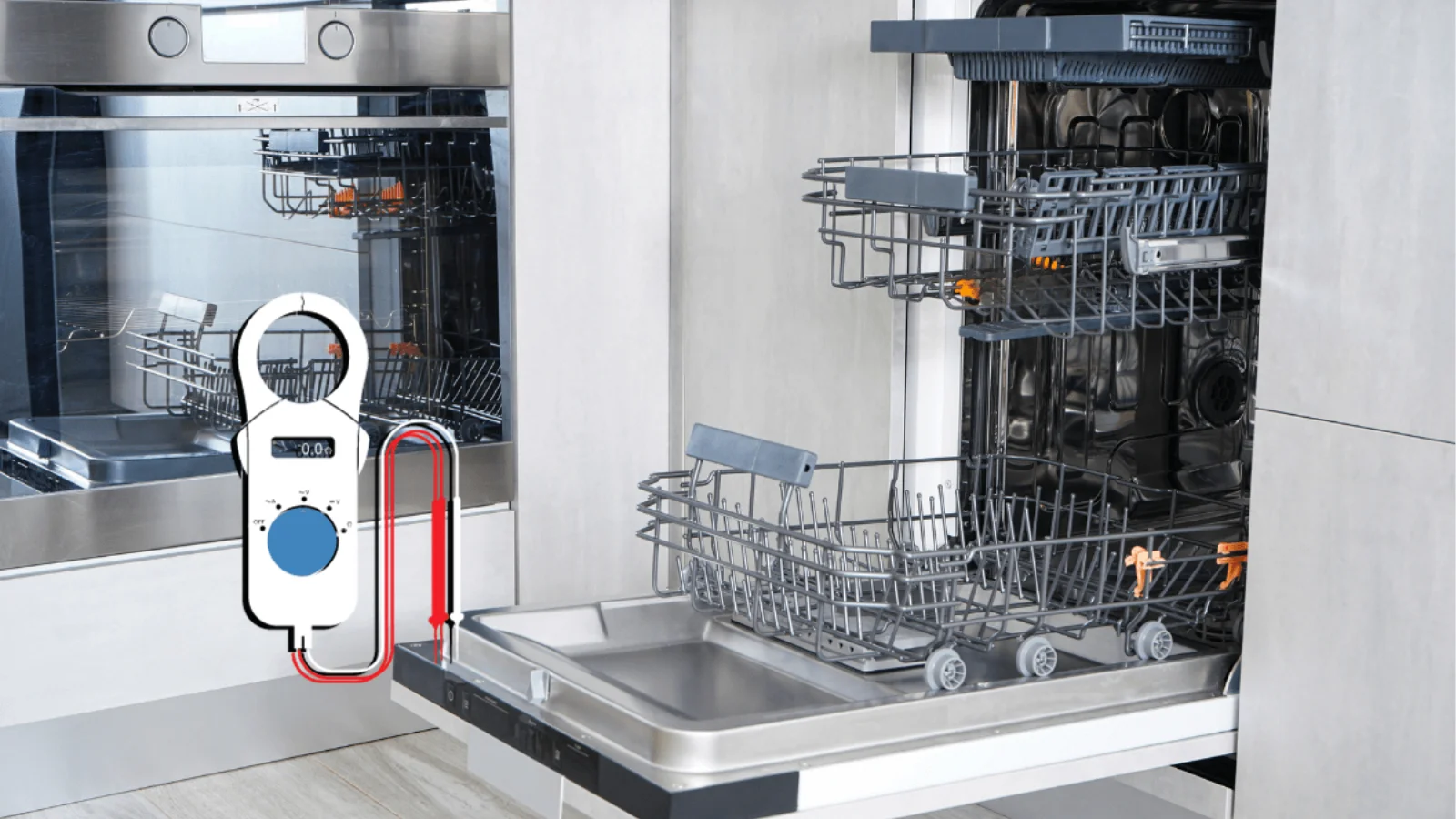
The majority of the population is not aware of the fact that every time they get their wash loaded, their dishwasher requires several gallons of water. An average dishwasher consumes between 3 and 5 gallons per cycle, with the old ones consuming up to 8 to 12 gallons. Knowing how many gallons does a dishwasher use will help you know how efficient your dishwasher is.
Even a little leak, or a clogged hose, or a bad valve will increase that count with the greatest ease and your unawareness. The additional water translates to increased bills and wastage of energy. By educating yourself on what influences how much water you use and the way to maintain your appliance, you will be able to save gallons each week and have your dishwasher do its best.
How Much Water a Dishwasher Uses
There are a number of factors that influence the level of water used by your dishwasher. Not just the brand or the model, but your everyday use of it, too. The new Energy Star machines consume less water, and the old ones consume more water. It is a matter of a big difference to use the right settings and load balance in every cycle.
The aspects that are commonly taken into consideration are machine age, the wash cycle that is chosen, load size, and water pressure. The deep-clean or heavy cycles require more gallons of water, and the eco modes conserve water.
Overfilled racks or pressure can also lead to increased time to run through a wash and little puddles underneath the unit. The dishwasher can be made water-saving and efficient by ensuring a simple inspection or a small repair.
Signs Your Dishwasher Uses Too Much Water
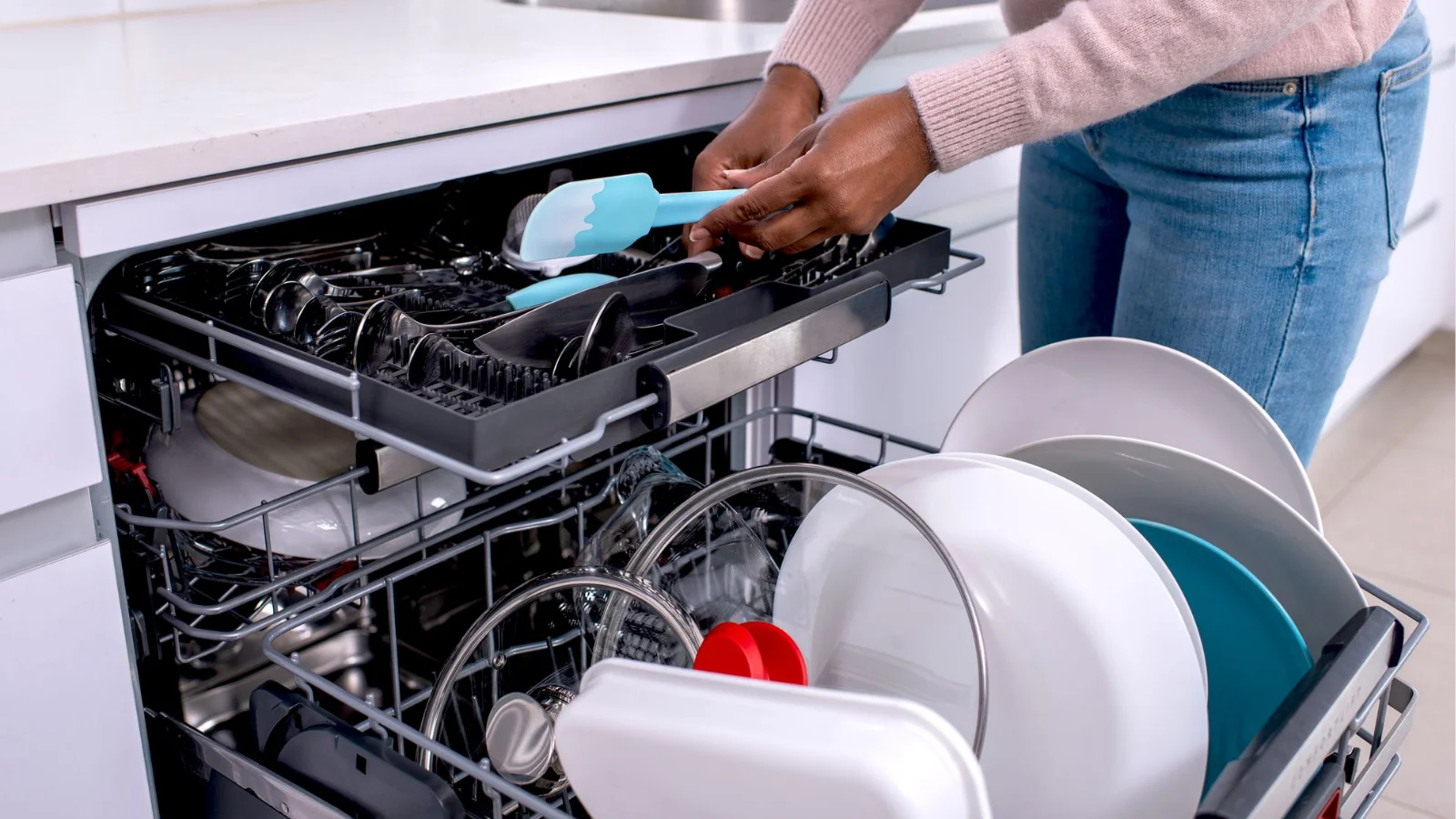
The problem, to begin with, is that it is easy to overlook the fact that your dishwasher is consuming excessive water until your bills start to increase. These little adjustments are normally an indication that something in there is not functioning as it is supposed to. Repairing them at an early age with the assistance of trusted professionals will save you water, energy, and ensure that your appliance is in good condition over the years.
Watch for these simple clues:
- When washing dishes, they remain opaque, or there are traces of soap.
- The cycle produces additional filling or emptying sounds.
- The dishwasher has a significantly extended service.
- Water is collected at the bottom of the washing process.
- The damp smell is because water is not draining off.
Common Problems That Waste Water
When a dishwasher starts using more gallons than usual, it means something inside isn’t working properly. Small faults like leaks, clogs, or weak valves can quietly waste water in every wash. Most of these problems begin small but grow over time, causing your dishwasher to work harder and your water bill to rise.
Some common faults include a leaky door seal, a weak inlet valve, clogged spray arms, or a stuck float switch that keeps filling water longer than needed. An old or cracked drain hose can also slow drainage and force repeated filling. Fixing these issues early keeps your dishwasher from using the right amount of water and prevents wear on important parts.
Simple Steps to Save Water with Professionals
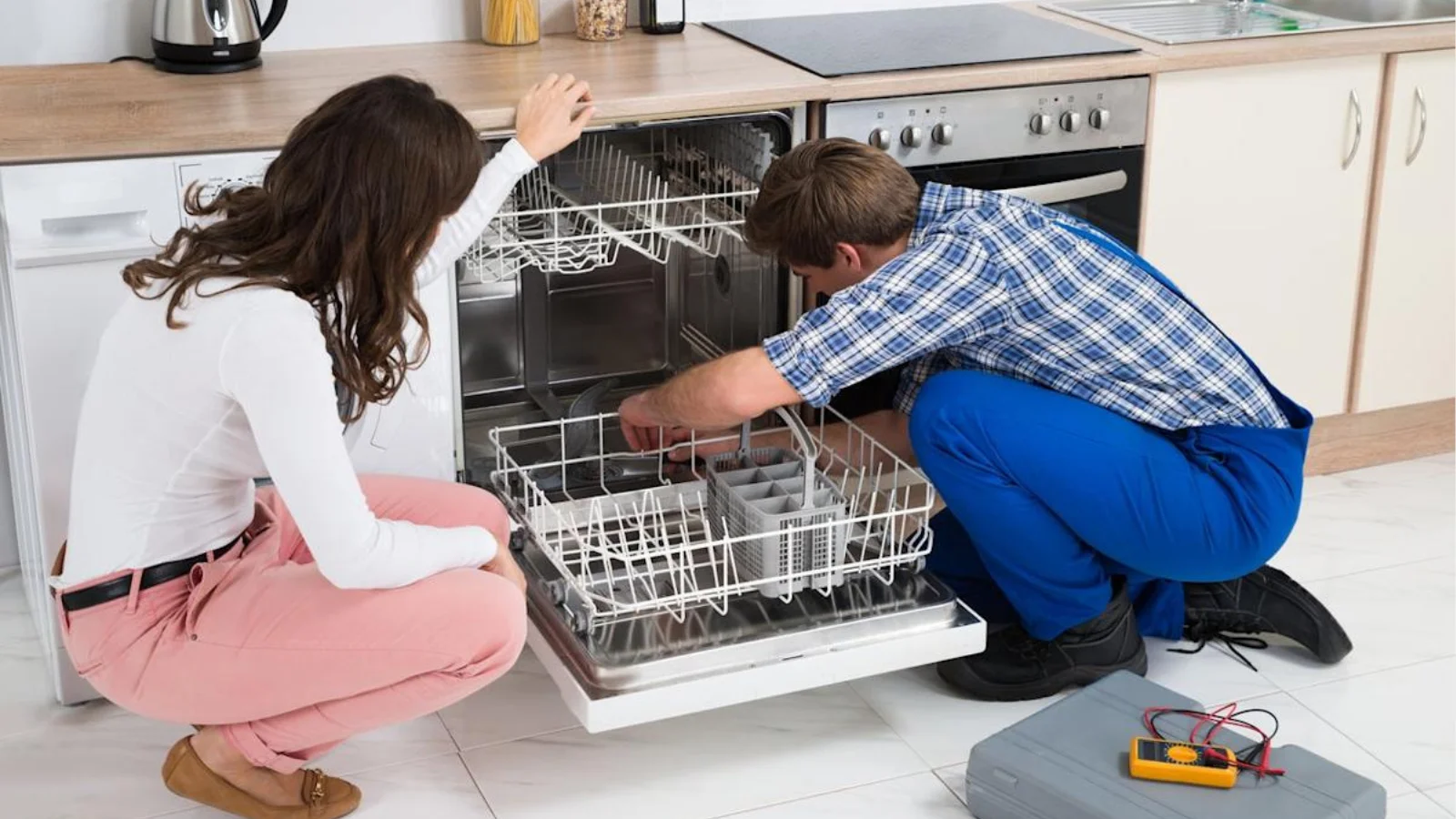
You don’t need big changes to make a big difference. Just follow these steps:
- Run full loads only. Each cycle uses the same water amount, whether full or half.
- Use eco or quick wash mode. Saves up to 30% of water each wash.
- Skip pre-rinsing. Modern dishwashers can handle small food bits easily.
- Keep filters and spray arms clean. They control how water moves inside.
- Repair small leaks fast. A tiny drip adds up to gallons wasted over time.
Water-Saving Tips for Everyday Use
Want to save even more gallons? Follow these simple ideas:
- Scrape, don’t soak dishes. Rinsing under running water wastes extra gallons before loading.
- Choose shorter cycles when dishes aren’t greasy. Lighter loads don’t need heavy cleaning.
- Avoid opening the door mid-cycle. It interrupts water pressure and wastes energy.
- Use a warm water supply. Pre-heated water shortens the cycle time and saves power.
- Check seals often. Tight seals keep every drop inside where it belongs.

Need Help With Your Dishwasher? Let’s Get It Fixed Today!
If your dishwasher is leaking, wasting water, or taking too long to clean, don’t wait for it to get worse. A quick inspection can save gallons of water and prevent costly repairs later. Reach out to our local experts for fast, reliable service at Caspi Home Service. Email us at info@caspihomeservice.com or call (803) 830-5098. Your appliance deserves proper care, and we’re here to help keep it running smoothly and efficiently.
Conclusion
The capacity of a dishwasher, in how many gallons does a dishwasher use that it consumes, will help you know your appliance better. Only a few gallons are used within a single cycle by a normal machine, and worn-out parts or small leaks may increase the number to two. Simple routines, regular inspections, and ensuring regular maintenance of your dishwasher make it efficient, save water, reduce your bills, and provide sparkling clean water whenever.
Frequently Asked Questions
What is the gallons of water that a dishwasher consumes per cycle?
The average dishwasher in the modern world consumes 3 to 5 gallons of water per load. Depending on the cycle and efficiency, the older models can consume as many as 10 gallons.
Why is my dishwasher consuming too much water?
This may occur when the components, such as the inlet valve or float switch, are faulty or there is a leak or clog that leads to overfilling of the machine.
Is a dishwasher more water-saving than hand washing?
Yes. A dishwasher consumes significantly less water as compared to hand washing. In a dishwasher, the amount of waste and energy can be reduced by up to 20 gallons per wash.
What can I do to use less water in my dishwasher?
Only full loads, clean filters, eco or quick-wash mode, and repair leaks as fast as possible. Routine servicing of your dishwasher ensures that it is efficient and consumes less water.