
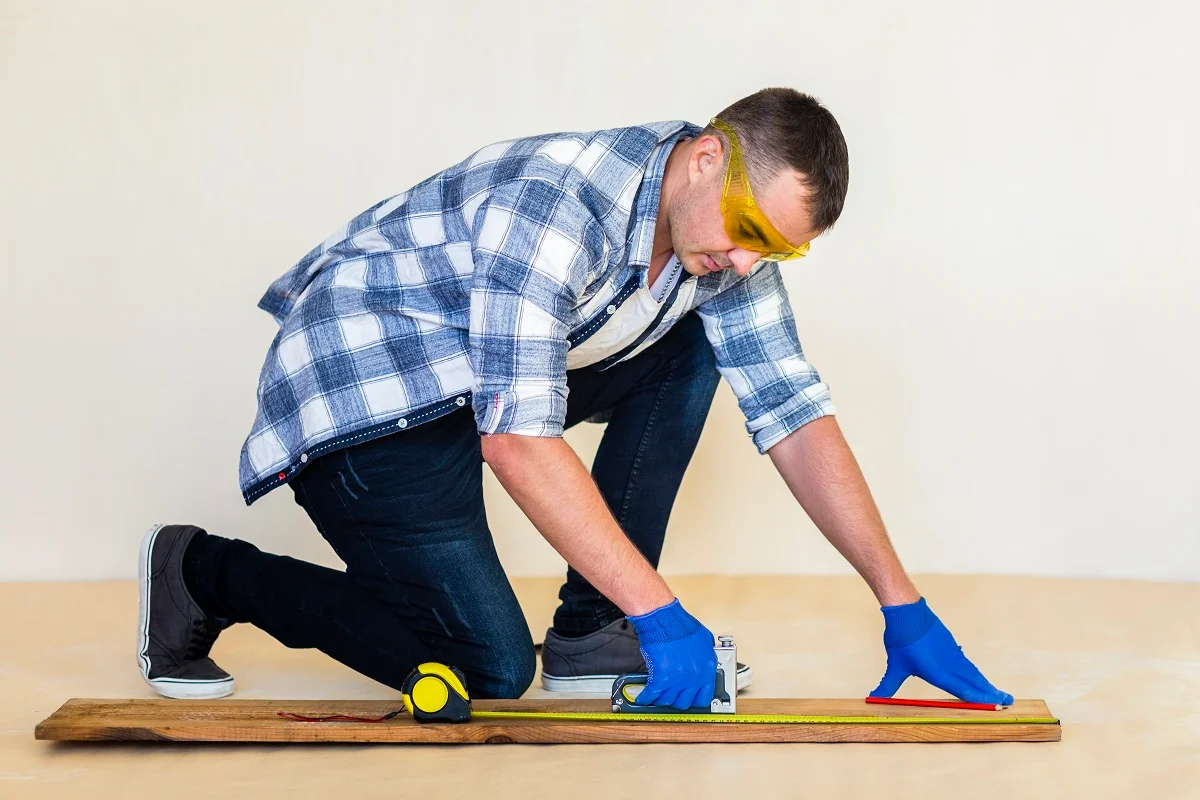
Laminate flooring is one of the best choices for homeowners who want a floor that looks beautiful but does not cost too much. It looks like real wood, is strong, and easy to clean. If you are planning to change the look of your home, learning how to install laminate flooring is a good place to begin.
Many people think it is difficult to install flooring on their own. The truth is, with the right steps and a little patience, it can be done. Even if you later hire flooring installation professionals, knowing the process helps you understand the work and make better choices for your home.
Why Laminate Flooring Is a Smart Choice for Your Home
Laminate is built in layers. The top layer keeps it safe from scratches, the middle shows the design that looks like wood or stone, and the bottom layer keeps it strong. This makes laminate a good option for families, kids, and busy homes.
Unlike hardwood, it does not need sanding or polishing. It handles small spills and daily use without damage. You can find it in many colors and patterns, so it fits every type of room. It is affordable, stylish, and lasts for many years when installed the right way.
Preparing for Laminate Flooring Installation
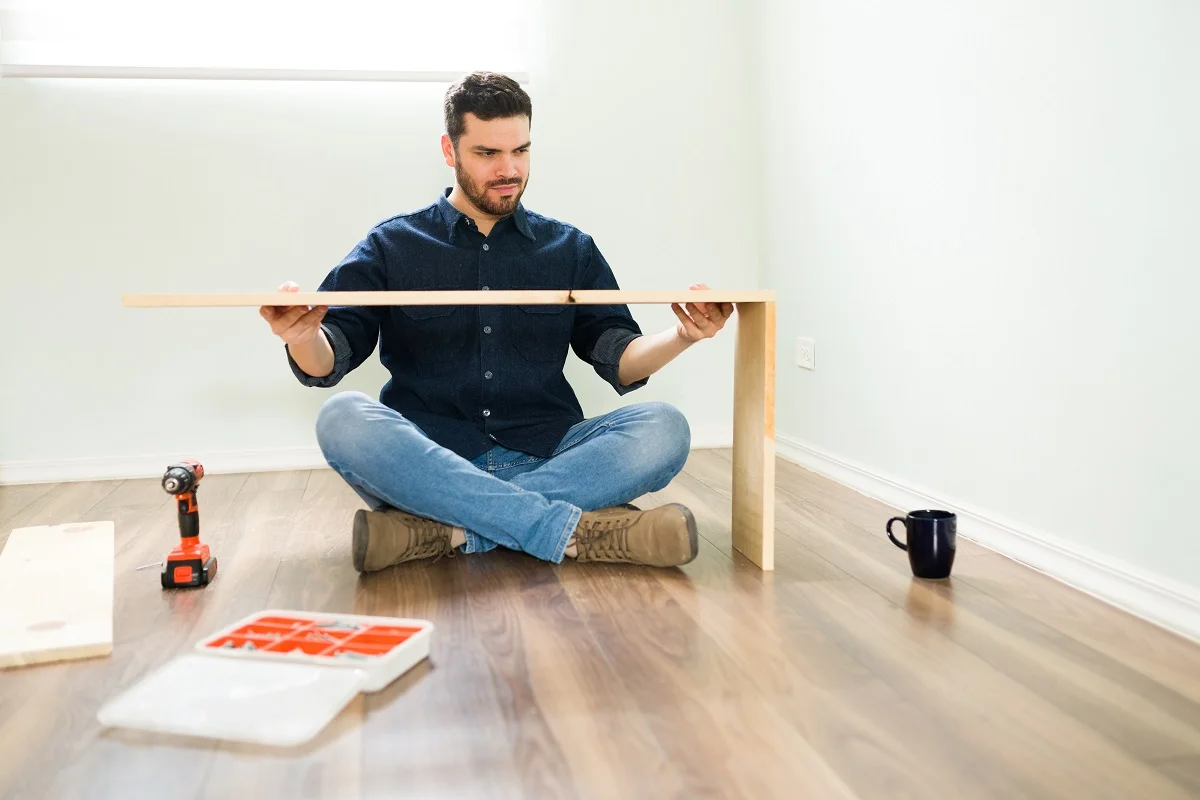
Good preparation saves time later. Start by measuring your room from wall to wall. Multiply length by width to get the size. Always buy a little extra flooring to cover mistakes or cuts. Having spare planks also helps if you need repairs later.
Bring the boxes of laminate into the room two days before you start. This allows the planks to adjust to the room temperature. Gather tools like a saw, tape, hammer, spacers, and underlayment. Having everything ready makes the work smooth.
Step-by-Step Laminate Flooring Installation
Learning how to install laminate flooring is simple if you follow each stage carefully. With the right tools and method, you can create a strong, clean floor that lasts for years.
Preparing the Subfloor
Clean the floor and remove old coverings. The surface must be flat, dry, and firm. Sand down high spots and fill low areas so the planks sit evenly. If you are working on concrete, use a plastic sheet or vapor barrier to block moisture. On wooden floors, fix loose boards with nails or screws before starting.
Laying the Underlayment
Roll out the underlayment across the floor, trimming it to fit the room. Tape the seams so they do not shift while you work. This thin layer adds comfort when walking, lowers noise, and protects the planks from damage. It also allows the flooring to expand and contract naturally, which prevents future problems.
Starting the First Row
Begin at the longest wall and place spacers to leave a small gap between the wall and planks. This gap allows the flooring to expand. Lay the first plank with its tongue side toward the wall and click the next one into place. Continue across the row and cut the last piece to size while keeping the same gap.
Building the Flooring Pattern
The second row should start with a shorter piece so the seams do not line up with the first row. This staggered pattern looks natural and keeps the floor strong. Tap each plank gently into place, keep the rows straight, and trim ends neatly to prevent small gaps. Work slowly and check alignment often.
Cutting Around Obstacles
Doorways, vents, and corners need extra care. Measure the space and mark the plank before cutting. A jigsaw is useful for small shapes, while a saw works for straight cuts. Always keep a small gap around obstacles to allow movement. Later, this space will be hidden with trim, giving the floor a neat finish.
Installing the Final Rows
The last rows are usually narrow. Measure carefully and cut the planks lengthwise to fit the space. Lock them into place with a pull bar and check that the spacing at the wall is even. Once all boards are set, remove the spacers around the room to complete the flooring.
Adding Trim and Moldings
Finish the job by covering the gaps with baseboards or quarter-round trim. Nail the trim to the wall, not the flooring, so the planks can still expand and contract. At doorways or where two floors meet, use transition strips to protect edges and create a smooth, safe connection.
Keeping Laminate Flooring in Top Condition
Now that you know how to install laminate flooring, it is important to care for it the right way. Regular cleaning and small habits keep the surface strong and looking new. Here are some simple tips:
- Sweep or vacuum often to remove dirt and grit.
- Mop with a damp cloth, but avoid too much water.
- Place mats near doors to catch dirt before it spreads.
- Use felt pads under chairs and tables to stop scratches.
- Move rugs and furniture from time to time to prevent uneven wear.
Why Professional Installation Can Save Time and Stress
You can learn how to install laminate flooring yourself, but it takes time and effort. If you don’t have tools or experience, it may feel stressful. Mistakes can waste material and money.
Professionals install floors faster and handle tricky corners or uneven surfaces with ease. They also provide a guarantee for their work. For many homeowners, this peace of mind is worth it, especially for large rooms or whole houses.
When to Trust Caspi Home Service for Flooring Projects
If you want your flooring done right the first time, trust a local expert. Caspi Home Service provides professional floor installation and repair. Their team knows how to handle every step, from preparation to finishing touches.
With their help, you get a beautiful floor without the stress of doing it yourself. Whether it is one room or your whole house, they make the process simple and the results lasting.
Call Today for Expert Flooring Installation
Now that you’ve seen how to install laminate flooring, you understand the steps, the tools, and the care it needs. While you can do it yourself, expert service guarantees strong, neat, and long-lasting results. Call Caspi Home Service today for professional flooring installation and repair. Enjoy a new floor that looks great and lasts for years.
Frequently Asked Questions
Can I put laminate over old flooring?
Yes, you can install laminate over tile or hardwood as long as the surface is flat, clean, and dry. Avoid installing over carpet because it is too soft and will make the floor unstable.
How long does it take to install laminate?
Most average rooms take about one to two days to finish, depending on the size and shape of the room. Larger or more complex spaces may take a little longer.
How long will laminate flooring last?
With regular cleaning and proper care, laminate flooring can last between 15 and 25 years in most homes. The lifespan depends on foot traffic and how well you maintain it.
Is laminate safe for kitchens?
Yes, laminate can be used in kitchens if spills are cleaned quickly to prevent damage. In areas with a lot of water, water-resistant laminate is a better choice.