
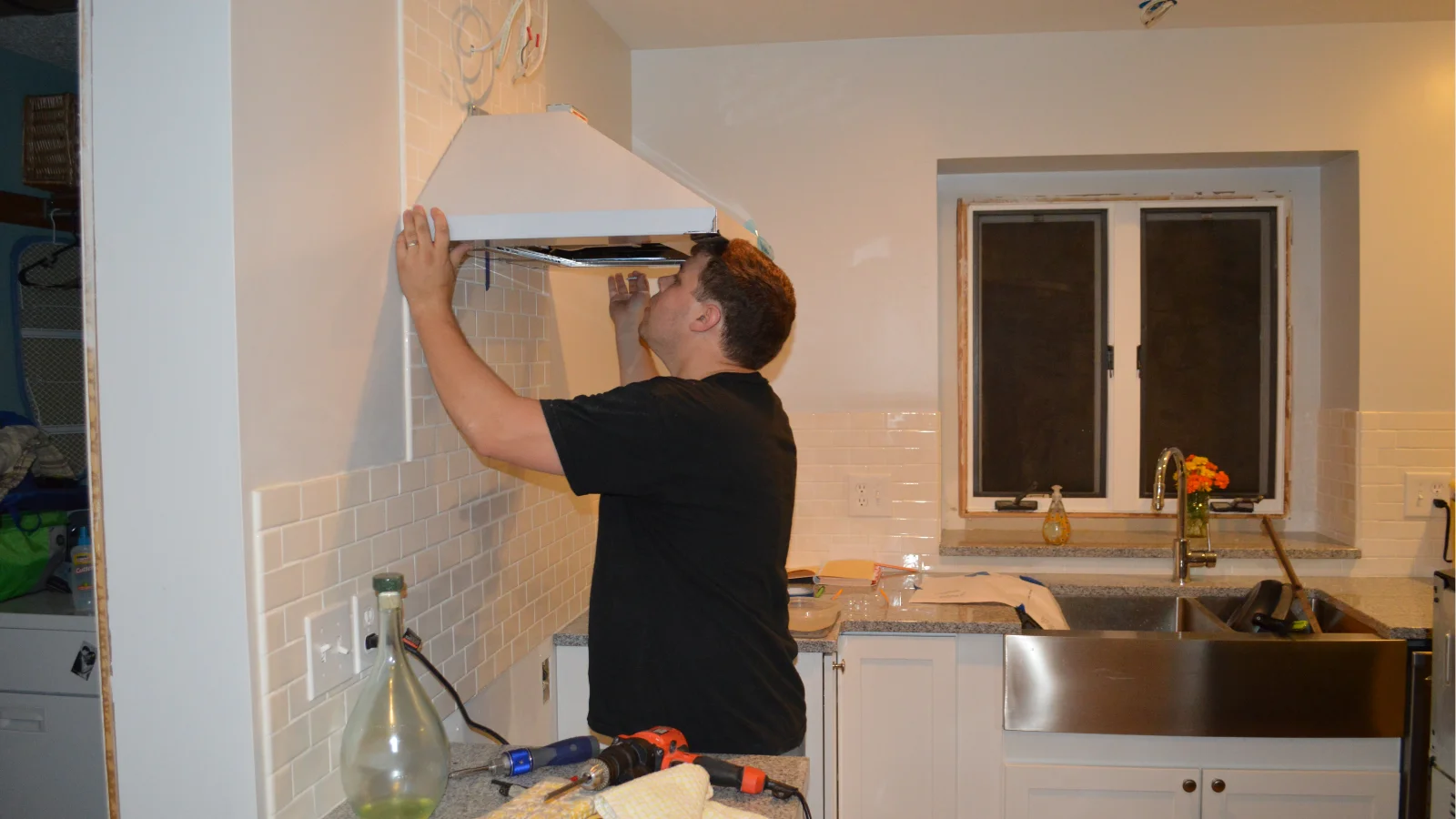
A range hood is a must-have in today’s kitchens. It clears smoke, grease, and odors while making cooking more comfortable. Without proper venting, though, it won’t deliver the results you expect.
If you’re asking how to install a range hood vent through the wall, this guide explains the process step by step and highlights when professional help is the smarter choice.
Venting through the wall is a practical solution for many homes. It provides a direct path outdoors, avoids complicated ceiling ductwork, and improves efficiency. A properly installed vent makes cooking healthier by removing unwanted particles from the air.
Done incorrectly, however, it can lead to poor airflow, drafts, and long-term damage. That’s why careful planning is essential.
Why Proper Range Hood Installation Matters
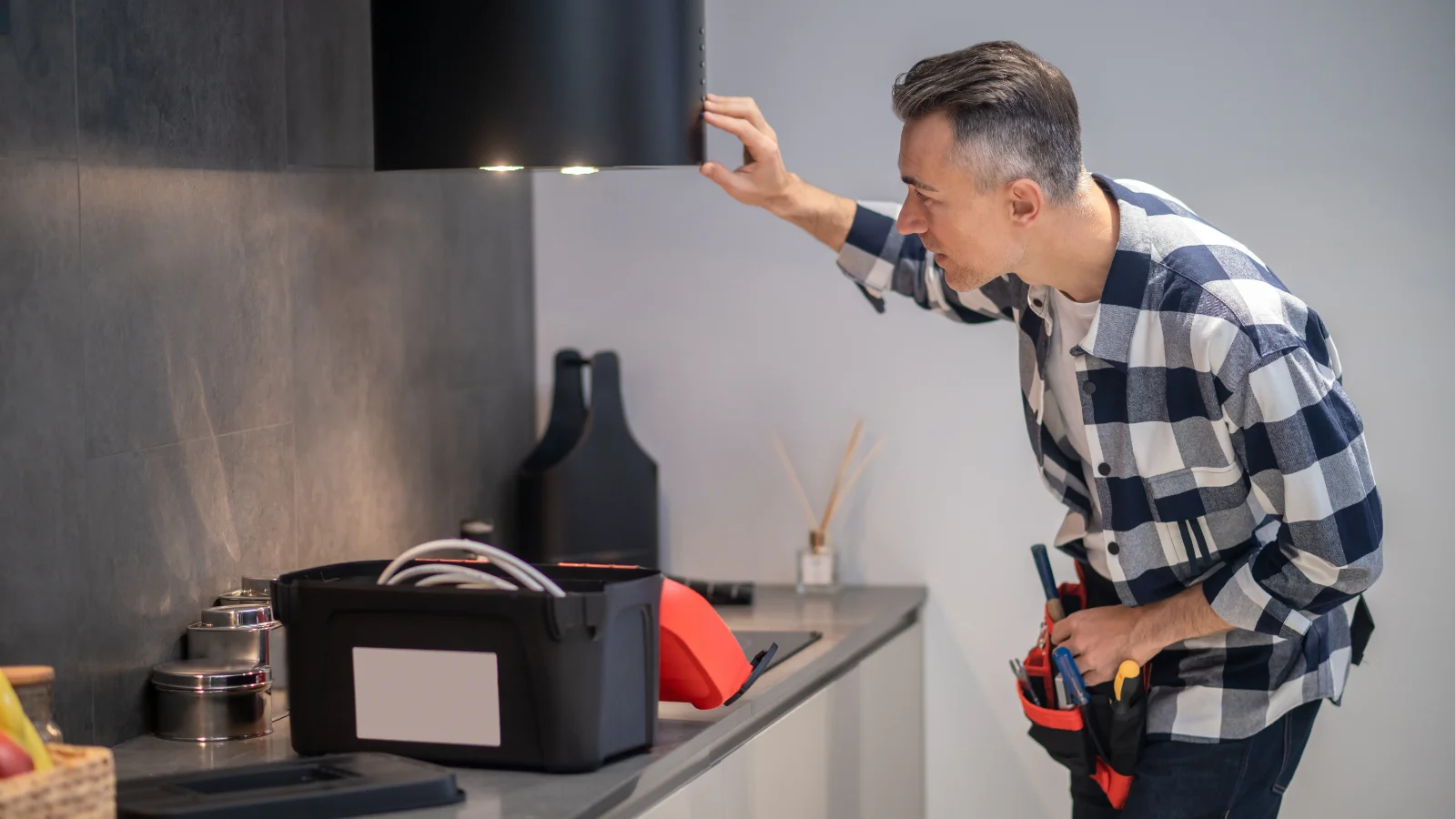
The way you install your range hood vent directly impacts performance. A misaligned or poorly sealed duct allows smoke and grease to escape indoors, leaving stains and odors. On the other hand, correct installation ensures the hood functions at full capacity, clearing the air effectively.
Proper venting also protects your home. Moisture from cooking can settle on walls, ceilings, and cabinets if not vented outdoors. Over time, this creates mold or structural damage. Installing a range hood vent through the wall prevents these problems while extending the life of both your hood and your kitchen surfaces.
Preparing to Install a Range Hood Vent Through the Wall
Before beginning, preparation makes the job smoother. Always measure carefully so the vent lines up with your hood’s outlet. The shortest and straightest duct path produces the best airflow. Avoid obstacles such as plumbing lines, electrical wiring, or structural studs.
Gather your supplies: drill, saw, ducting, vent cap, foil tape, caulk, and safety gear. Using quality materials ensures durability. Smooth metal ducts, in particular, are better than flexible ones because they resist grease buildup and improve airflow. Having everything ready avoids unnecessary interruptions once you start cutting.
How to Install a Range Hood Vent Through the Wall
Step 1: Mark the Vent Location
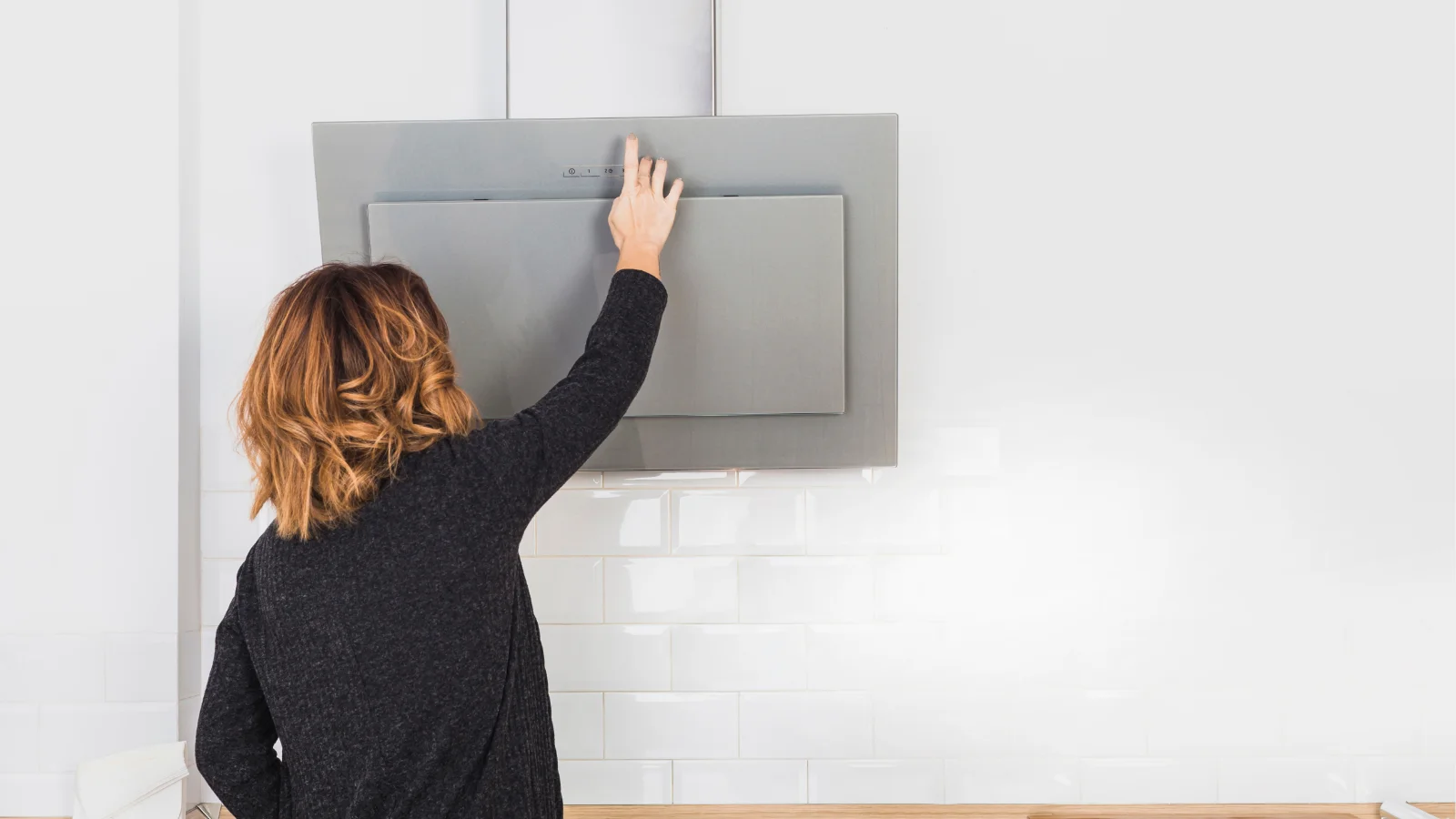
The first step is marking where the vent will pass through the wall. Place the range hood in position, then measure and mark the outlet center. Use a level to keep the mark straight. Accurate marking prevents misalignment, which can cause poor airflow or require re-cutting later. Take your time to get this right before moving forward.
Step 2: Cut the Wall Openings
Next, cut the interior and exterior wall openings. Drill a small pilot hole first to confirm the location before making the larger cut. Use the proper saw to match the vent size precisely. Cutting too wide makes sealing harder, while a small cut may damage the wall during adjustments. Clean, precise cuts are key to a professional finish.
Step 3: Attach the Ductwork
With the openings complete, attach the ductwork between the hood and the outside wall. Always use smooth metal ducts instead of flexible ones for stronger airflow. Secure each joint with foil tape to prevent leaks. Keep the duct as straight as possible. Extra bends reduce suction and force the hood to work harder, leading to higher energy use.
Step 4: Install the Outside Vent Cap
Now, place the vent cap into the exterior wall opening. The vent cap prevents backdrafts and keeps pests from entering the duct. Seal around the edges with weatherproof caulk so no air or water seeps inside. A properly installed cap not only improves efficiency but also protects your home from moisture damage.
Step 5: Connect the Hood and Test Airflow
Finally, connect the range hood to the duct system and secure it tightly. Turn on the hood and test the airflow. You should feel steady suction and notice air moving outdoors at the vent cap. If performance seems weak, check for leaks or loose joints. Testing ensures the installation is complete and the system works as intended.
Safety Considerations During Installation
Whenever you cut into walls, always keep safety in mind. Turn off power in the area before drilling to avoid electrical hazards. Wear gloves, goggles, and a mask to protect yourself from dust and sharp materials. If you suspect pipes or wires behind the wall, consult a professional before continuing.
It’s also wise to have a second person assist you. Lifting and positioning the hood, holding ducts, or applying sealant can be much easier with help. Safety should never be overlooked when installing appliances that affect your home’s air quality and structure.

Professional Installation vs DIY
While handy homeowners may complete this project, professional service guarantees accuracy. Misaligned ducts, poor sealing, or uneven cuts reduce efficiency and can cause lasting damage. Hiring an expert ensures everything is done to code and tested thoroughly.
At Caspi Home Service, our team specializes in appliance installations and repairs, including ventilation solutions. We know how to install a range hood vent through the wall with precision, protecting your kitchen and giving you reliable performance. Professional service saves time and provides peace of mind.
Enjoy a Cleaner Kitchen with Expert Help
A properly vented range hood makes cooking more enjoyable and your kitchen healthier. While it’s possible to do it yourself, the safest and most reliable option is professional installation. Call Caspi Home Service today for expert range hood installation and appliance care. Schedule your service at (803) 830-5098 and enjoy fresh, clean air in your kitchen every day.
FAQs About Range Hood Vent Installation
How high should a range hood vent be installed?
Most manufacturers recommend installing the hood 24 to 30 inches above the cooktop. This height ensures effective suction without interfering with cooking.
Can I use flexible ducting for my vent?
It’s not recommended. Flexible ducts restrict airflow and collect grease more easily. Smooth metal ducting is the best choice for long-term performance.
Is venting through the wall better than venting through the roof?
Both options work, but wall venting is often easier and more efficient. It provides a shorter, more direct path outdoors, reducing energy use and improving suction.
How long does a professional installation take?
Most installations take about 2–4 hours, depending on wall thickness and the complexity of the job. Professionals complete the work faster while ensuring lasting results.